




Mechanisms of Tianlongjie in the Treatment of Idiopathic Pulmonary Fibrosis Using Network Pharmacology Combined with Machine Learning
-
摘要:
目的 基于网络药理学联合机器学习方法,系统探讨天龙竭治疗特发性肺纤维化(idiopathic pulmonary fibrosis,IPF)的潜在作用机制。 方法 通过HERB及SymMap数据库筛选天龙竭(红景天、地龙、龙血竭)活性成分及其作用靶点,并结合GEO数据库(GSE150910、GSE32537)筛选IPF差异表达基因(DEGs),取交集获得潜在作用靶点。采用GO和KEGG富集分析阐释其生物学功能及通路,构建蛋白互作网络(PPI)。结合LASSO回归及SVM-RFE算法筛选关键靶点,并通过ROC曲线验证。进一步进行GSEA分析、免疫浸润分析及ceRNA调控网络构建。利用分子对接验证关键成分与靶点的结合能力,并通过博来霉素诱导小鼠肺纤维化模型进行体内实验验证。 结果 (1)共筛选出123种活性成分及 1147 个潜在靶点,获得135个IPF相关差异靶点;(2)GO与KEGG分析显示其主要富集于脂质代谢、低氧反应、PPAR及IL-17等信号通路;(3)机器学习筛选出4个关键靶点(VCAM1、MMP2、SPP1、LCN2),且在训练集与验证集中均具有一定区分能力(AUC > 0.7);(4)免疫浸润分析表明关键靶点与多种免疫细胞显著相关(|r| > 0.4,FDR < 0.05);(5)分子对接结果显示候选单体与靶点具有良好结合活性。(6)动物实验结果证实天龙竭可显著减轻肺纤维化程度,降低炎症因子水平及纤维化标志物表达(P < 0.05 或 P < 0.01)。结论 天龙竭可能通过多成分、多靶点、多通路协同作用,调控炎症反应、免疫微环境及纤维化相关信号通路,从而发挥抗IPF作用,其关键靶点包括VCAM1、MMP2、SPP1及LCN2。本研究为天龙竭治疗IPF的机制研究提供了理论依据。 Abstract:Objective To systematically investigate the potential mechanisms of Tianlongjie in the treatment of idiopathic pulmonary fibrosis (IPF) using network pharmacology combined with machine learning methods. Methods The active components and therapeutic targets of Tianlongjie (Rhodiola rosea, Lumbricus, and Dragon’s blood) were screened using the HERB and SymMap databases. Differentially expressed genes (DEGs) associated with IPF were identified from the GEO datasets (GSE150910 and GSE32537), and the intersection of these datasets was used to obtain potential therapeutic targets. Gene Ontology (GO) and Kyoto Encyclopedia of Genes and Genomes (KEGG) enrichment analyses were performed to elucidate their biological functions and signaling pathways, and a protein–protein interaction (PPI) network was constructed. Key targets were screened using LASSO regression and SVM-RFE algorithms and validated by ROC curve analysis. Gene set enrichment analysis (GSEA), immune infiltration analysis, and construction of a ceRNA regulatory network were subsequently performed. Molecular docking was used to validate the binding capacity of key components to their targets, and in vivo experiments were conducted using a bleomycin-induced mouse model of pulmonary fibrosis. Results A total of 123 active components and 1, 147 potential targets were identified, yielding 135 IPF-related differentially expressed targets. GO and KEGG analyses showed that these targets were mainly enriched in lipid metabolism, responses to hypoxia, and the PPAR and IL-17 signaling pathways. Machine learning identified four key targets—VCAM1, MMP2, SPP1, and LCN2—which demonstrated a certain degree of discriminatory ability in both the training and validation sets (AUC > 0.7). (4) Immune infiltration analysis indicated that the key targets were significantly associated with multiple immune cell types (|r| > 0.4, FDR < 0.05). Molecular docking results showed that the candidate compounds had good binding activity with the targets. Animal experiments confirmed that Tianlongjie significantly alleviated pulmonary fibrosis, reduced the levels of inflammatory factors and the expression of fibrosis markers (P < 0.05 or P < 0.01). Conclusion Tianlongjie may exert anti-IPF effects through the coordinated action of multiple components, targets, and pathways by regulating inflammatory responses, the immune microenvironment, and fibrosis-related signaling pathways. Its key targets include VCAM1, MMP2, SPP1, and LCN2. This study provides a theoretical basis for investigating the mechanisms underlying the use of Tianlongjie in the treatment of IPF. -
Key words:
- Network pharmacology /
- Idiopathic pulmonary fibrosis /
- Machine learning /
- Tianlongjie
-
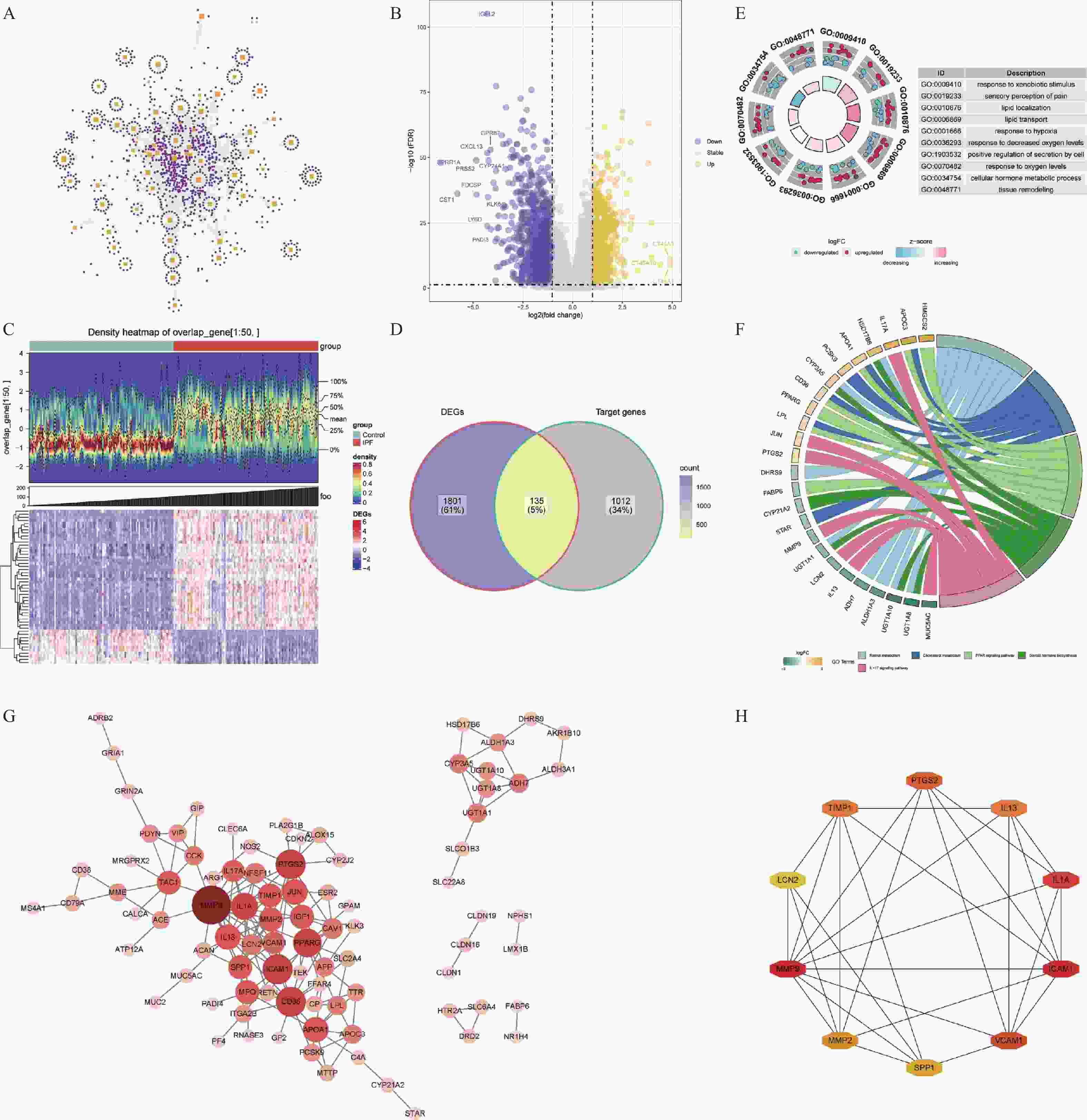
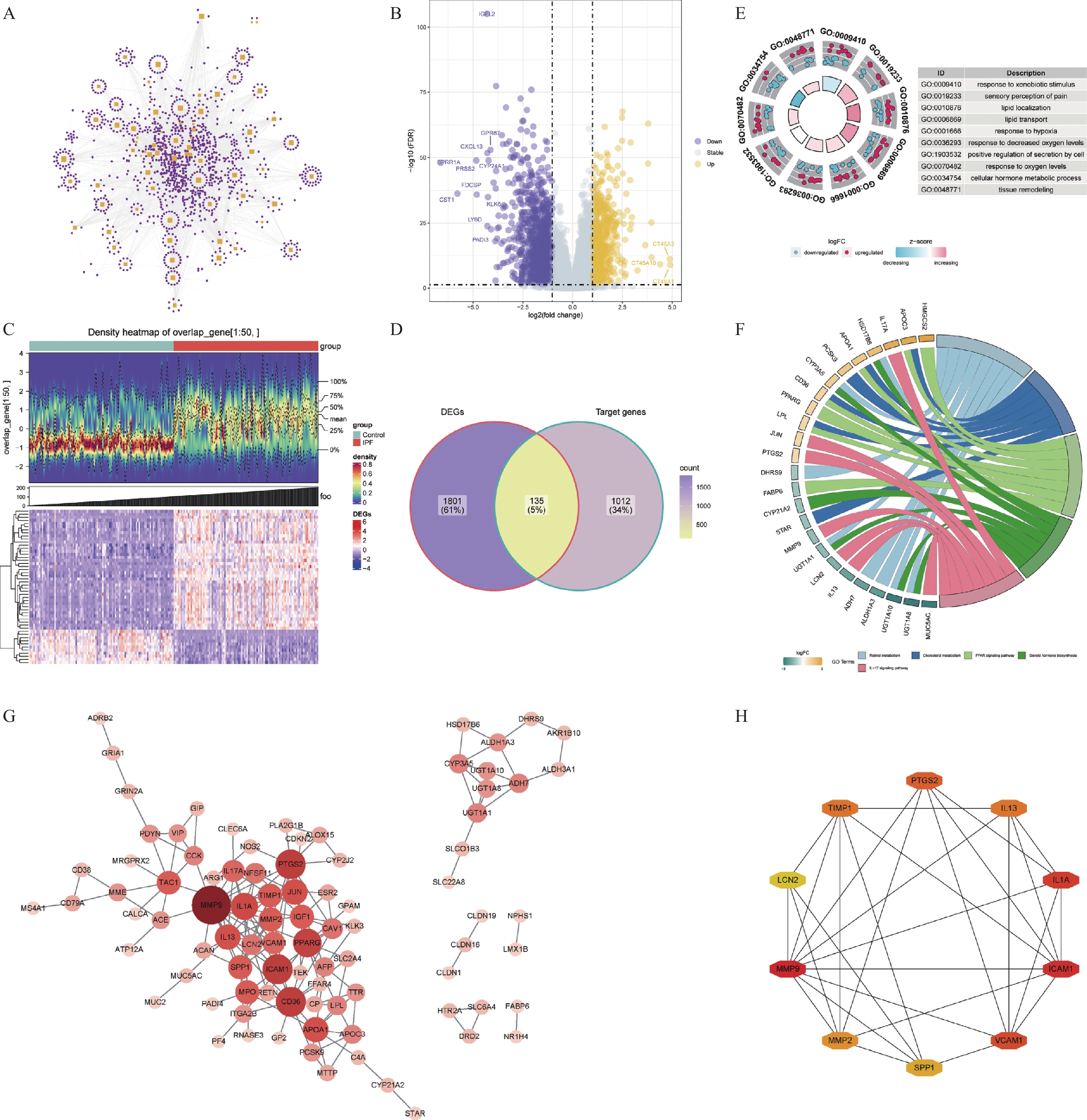
图 1 IPF相关差异靶点的获取与分析
A:有效活性成分-靶基因网络;黄色方形节点代表活性成分,紫色圆形节点代表靶基因;B:差异表达基因火山图;图中每个点代表一个基因,黄色表示上调差异基因,紫色表示下调差异基因,灰色表示无显著差异基因;C: 差异表达基因热图;每列代表一个样本,每行代表不同样本中各基因的表达水平,热图颜色表示样本中基因的表达情况:绿色代表对照样本,红色代表疾病样本;D: 天龙竭潜在作用靶点与 IPF 差异表达基因交集维恩图;E:IPF相关差异靶点GO富集分析;图中蓝色和红色圆点代表不同基因,蓝色表示下调基因,红色表示上调基因,右侧表格显示富集通路;F:IPF相关差异靶点 KEGG 富集分析;图中不同颜色线条代表富集通路,左侧线条表示参与这些通路的基因;G:IPF相关差异靶点蛋白质相互作用网络;每个节点代表一个IPF相关差异靶点,连接线表示基因间的相互作用关系;H:关键IPF相关差异靶点相互作用网络;每个节点代表IPF相关差异靶点,连接线表示基因间的相互作用关系。
Figure 1. Acquisition and analysis of IPF-related differential targets
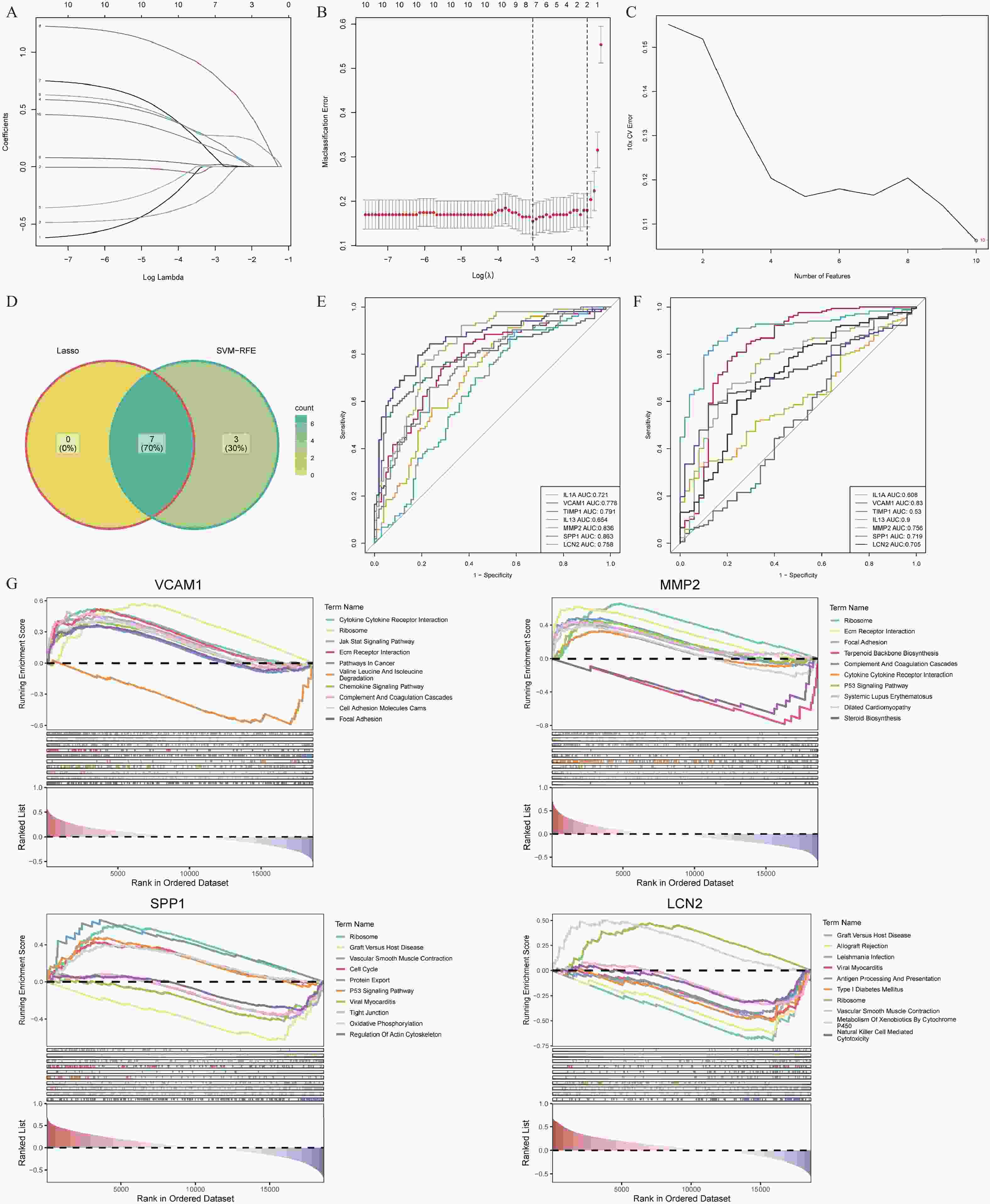
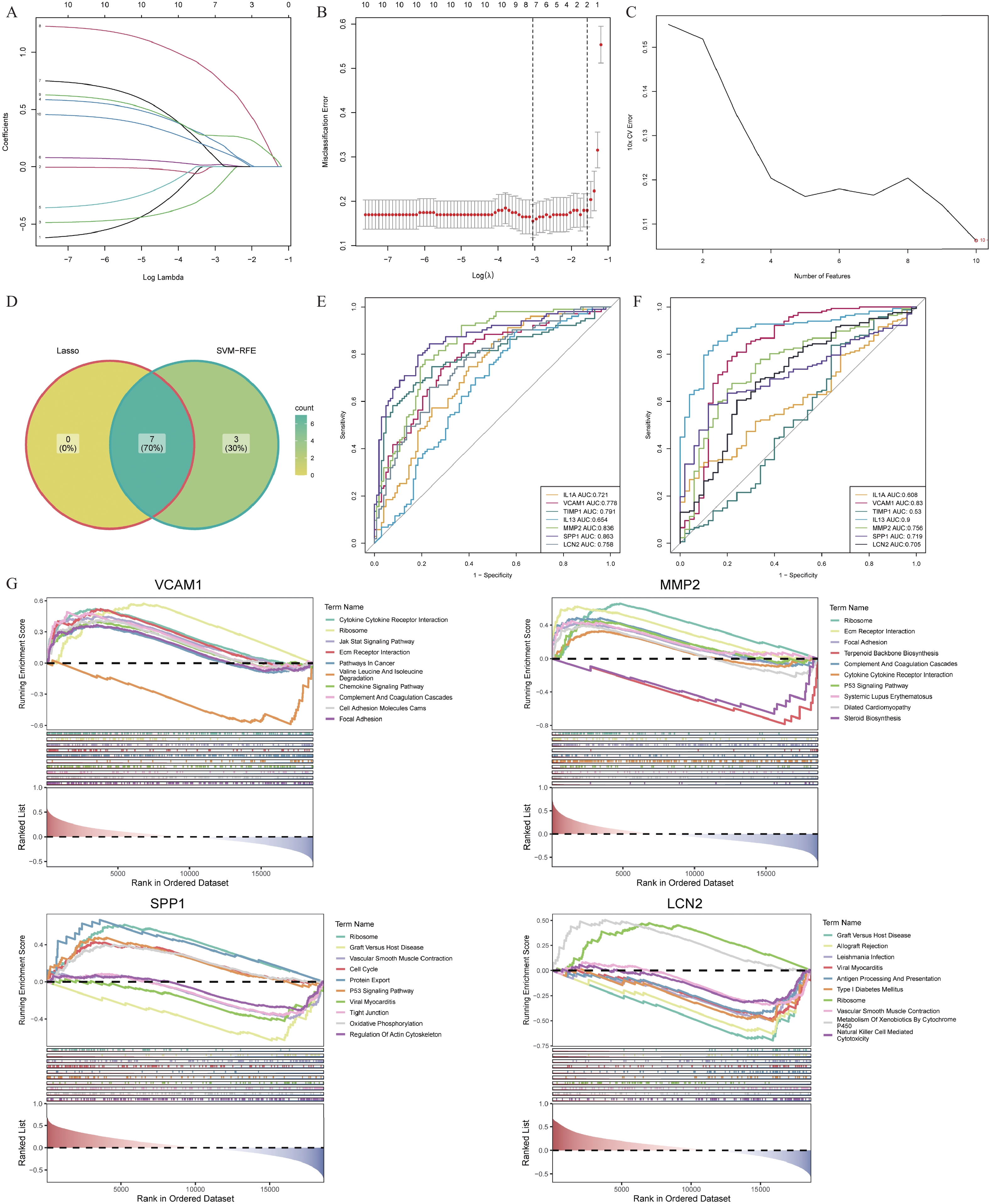
图 2 通过机器学习与 GSEA 分析筛选关键靶点
A:Lasso分析:各曲线表示各自变量系数的变化轨迹,纵坐标为系数值,横坐标为该时间点模型中非零系数的数量;B: Lasso分析:横坐标为log(Λ),纵坐标表示交叉验证误差。红点代表均方误差及上下双倍标准差,均方误差越小模型越优;C:SVM-RFE分析:横坐标为特征数量,纵坐标为10折交叉验证后的误差率。圆圈代表10折交叉验证后曲线变化误差率的最低点;D:目标交集维恩图;E:训练集目标交集的ROC曲线分析;F:验证集目标交集的ROC曲线验证;G:GSEA 富集结果基于 KEGG 通路基因集进行分析,结果以 NES、nominal P 值、adjusted P 值及 FDR q 值评价;采用 Benjamini-Hochberg 法进行多重检验校正,adjusted P < 0.05 或 FDR q < 0.05 表示差异具有统计学意义。
Figure 2. Screening key targets by machine learning and GSEA analysis
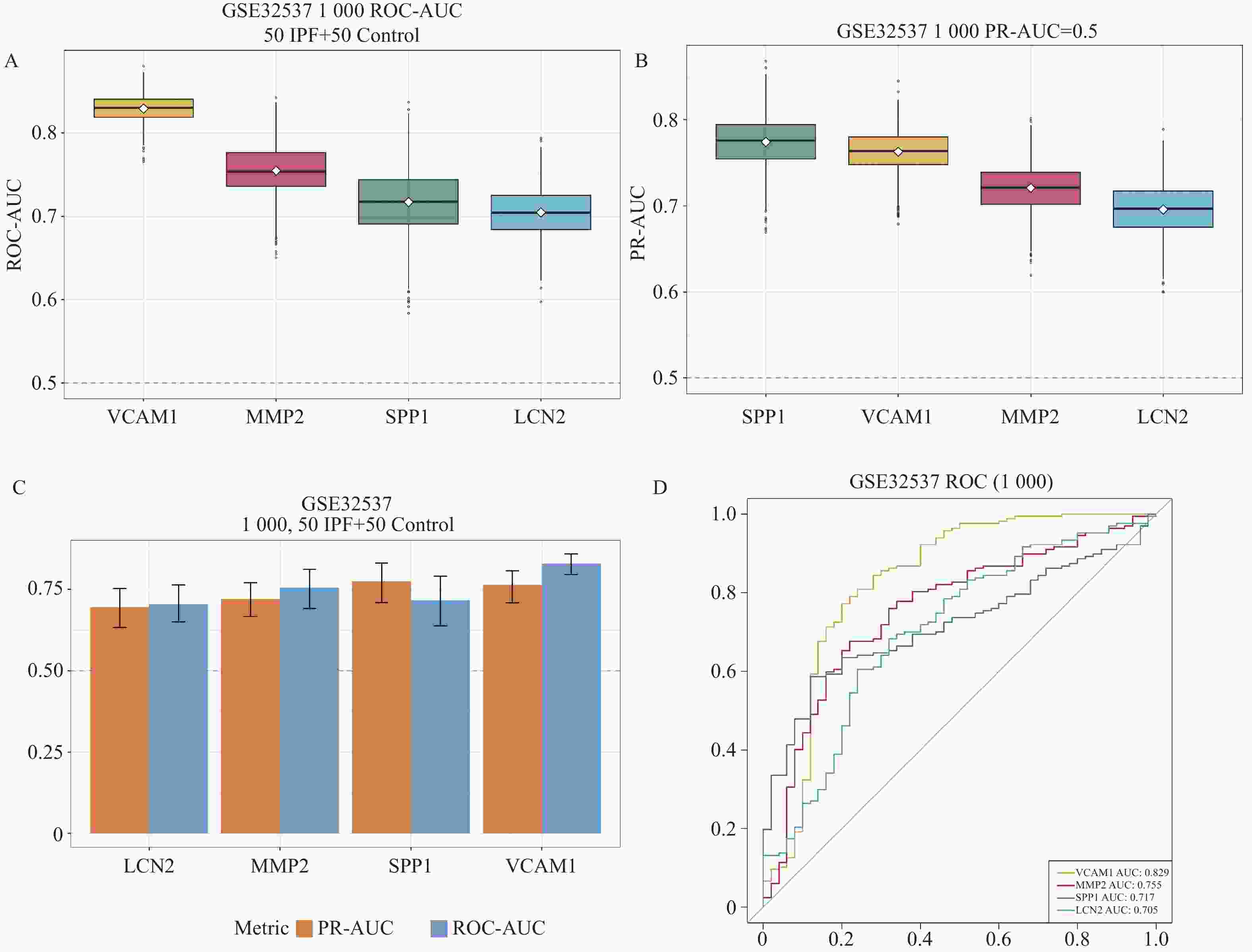
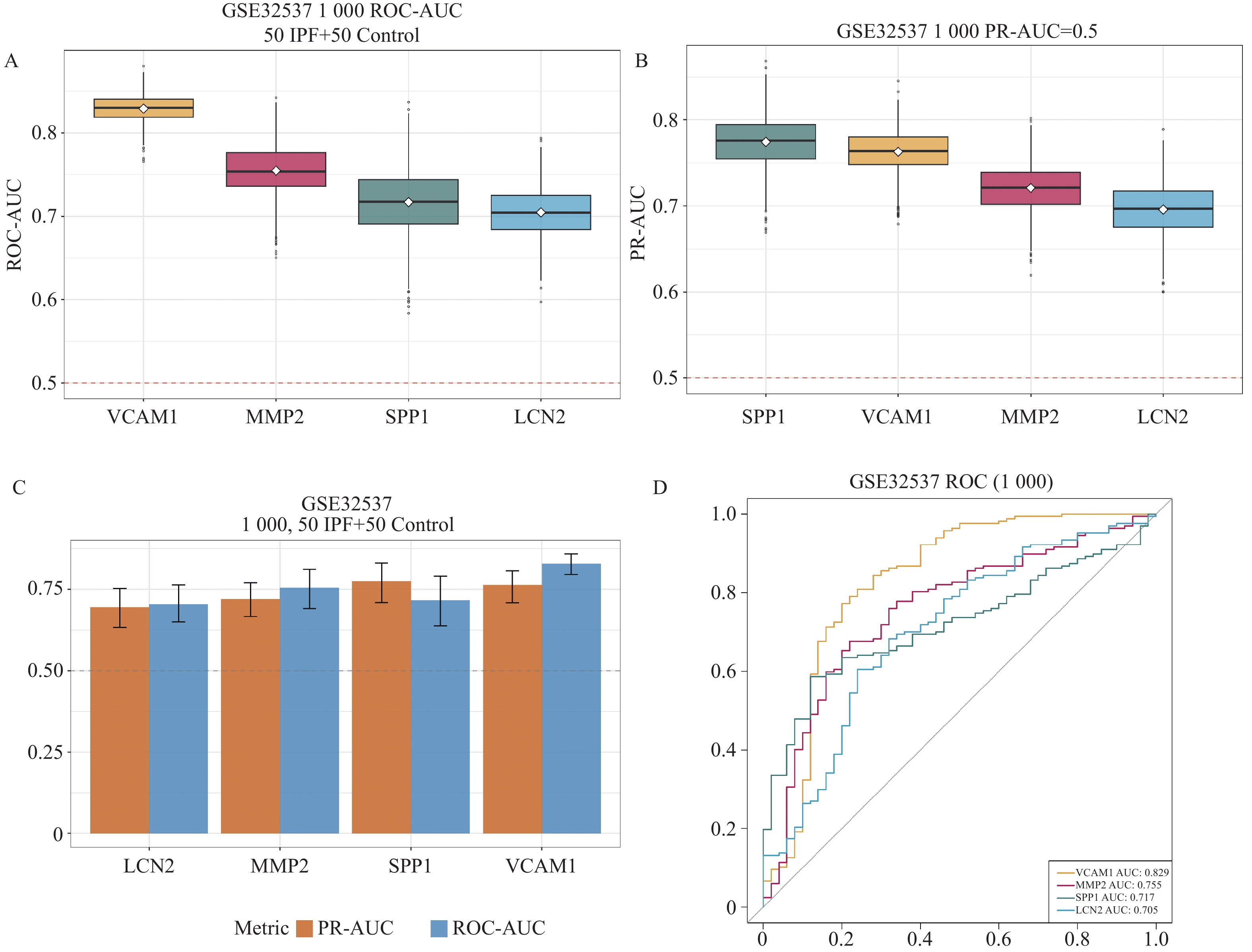
图 3 GSE32537 队列中关键靶点的平衡抽样验证
A:基于 GSE32537 队列进行 1000 次重复分层抽样后,VCAM1、MMP2、SPP1 和 LCN2 的 ROC-AUC 分布。每次随机抽取 50 例 IPF 样本和 50 例对照样本构建平衡子验证集;B:1000 次重复分层抽样后 4 个关键靶点的 PR-AUC 分布;C:VCAM1、MMP2、SPP1 和 LCN2 的 ROC-AUC 与 PR-AUC 汇总柱状图,误差棒表示重复抽样结果的波动范围;D:GSE32537 平衡子验证集中的 ROC 曲线。
Figure 3. Balanced validation of key targets in the GSE32537 cohort
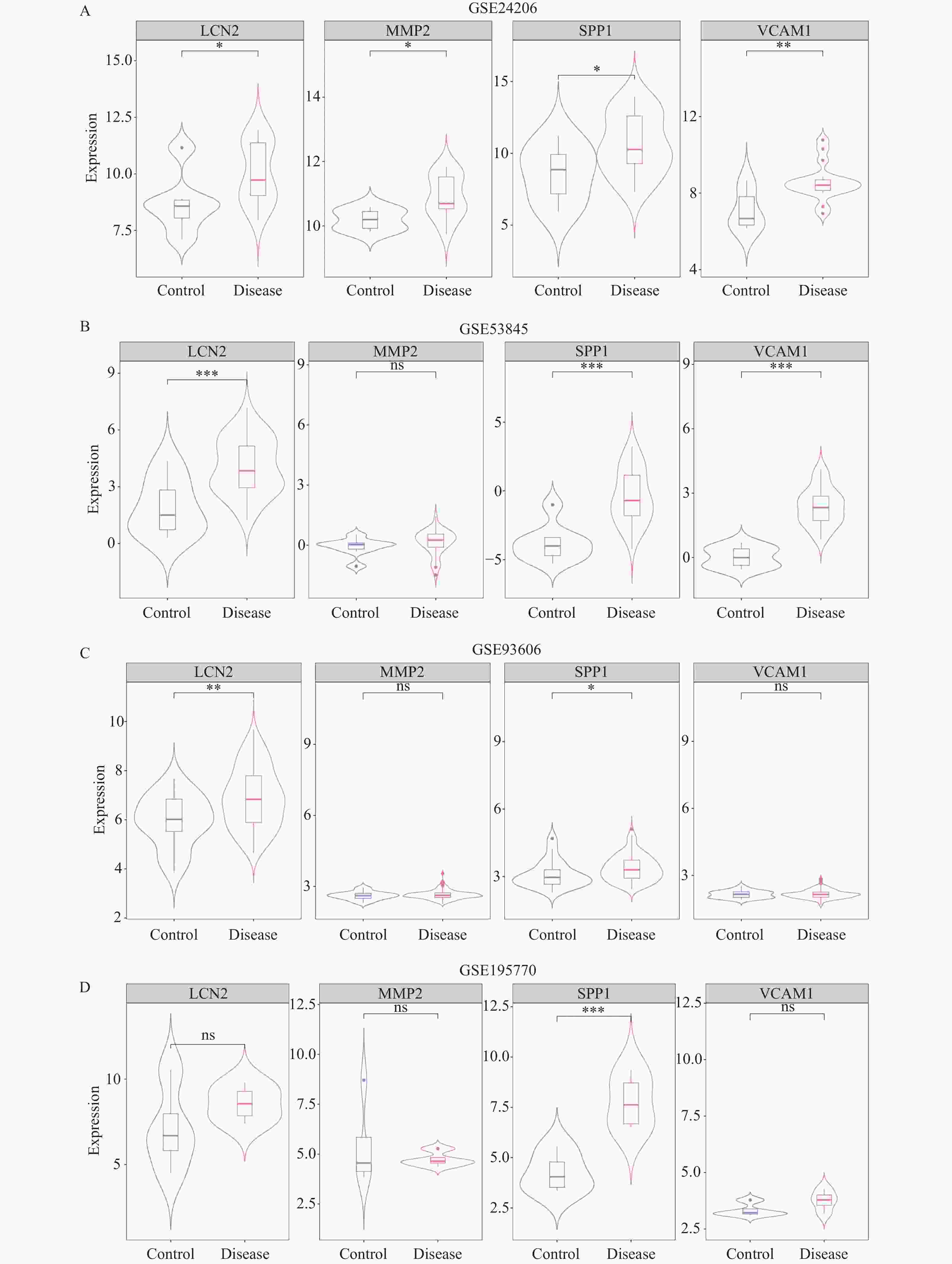
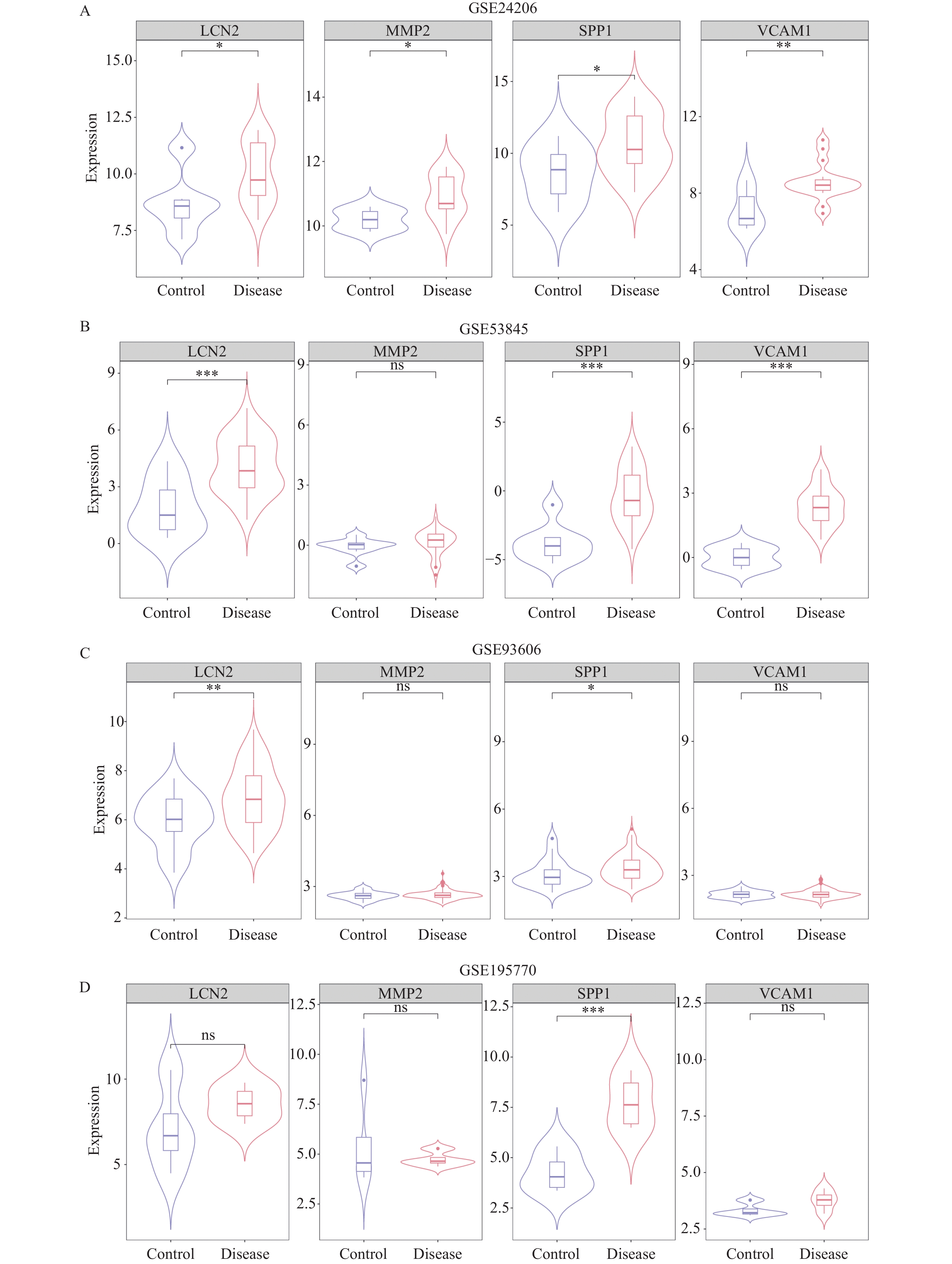
图 4 多个外部 GEO 数据集中关键靶点的表达验证
A~D:VCAM1、MMP2、SPP1 和 LCN2 在 GSE24206、GSE53845、GSE93606 和 GSE195770 数据集中的表达水平;蓝色代表对照组,红色代表 IPF/疾病组。采用 Wilcoxon 秩和检验比较组间差异。结果显示,SPP1 在多个外部数据集中呈稳定升高趋势,LCN2、MMP2 和 VCAM1 在部分队列中呈疾病组升高趋势,但显著性存在一定差异。ns,P ≥ 0.05;*P < 0.05;**P < 0.01;***P < 0.001;****P < 0.0001。
Figure 4. Expression validation of key targets in independent GEO datasets
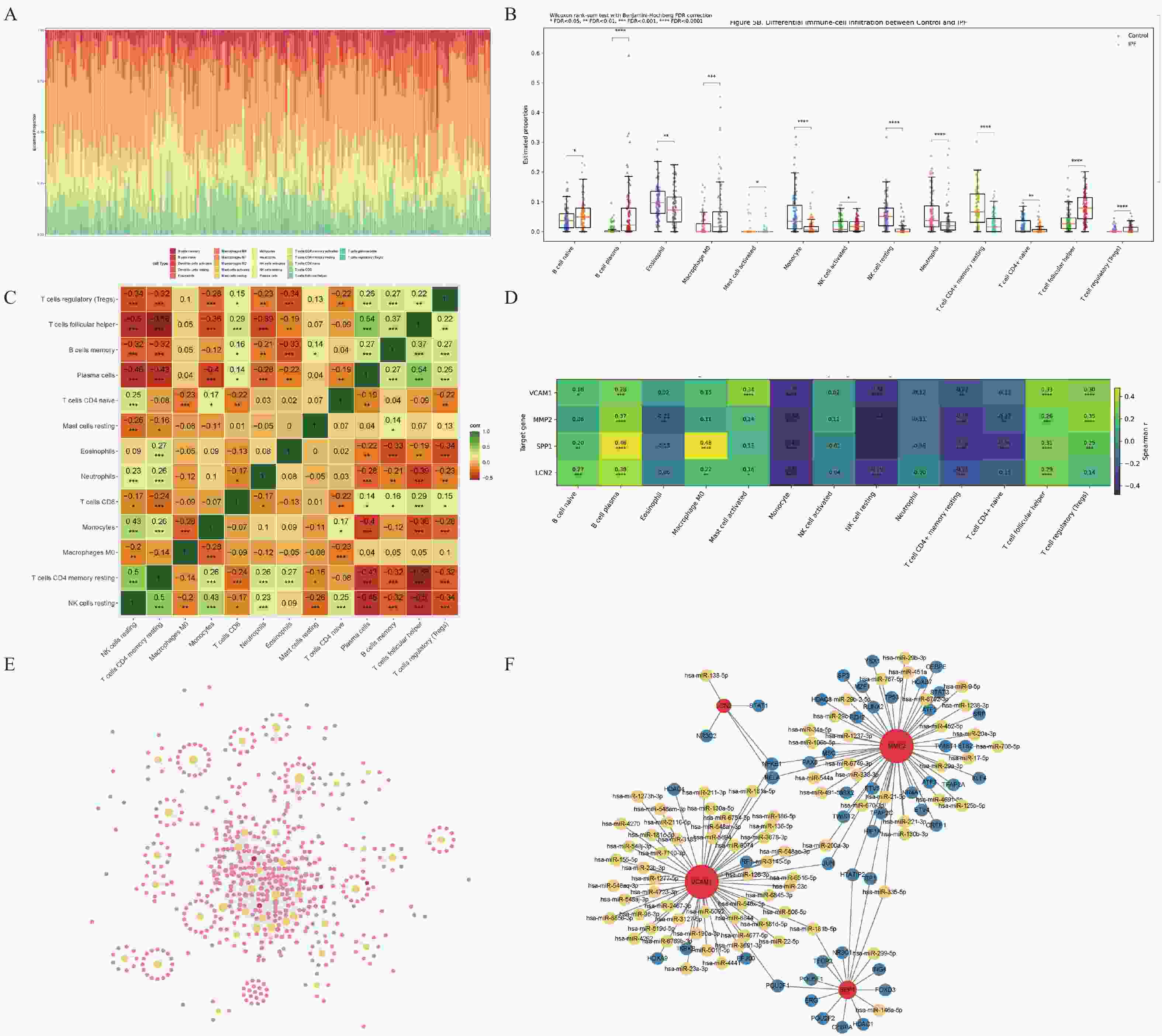
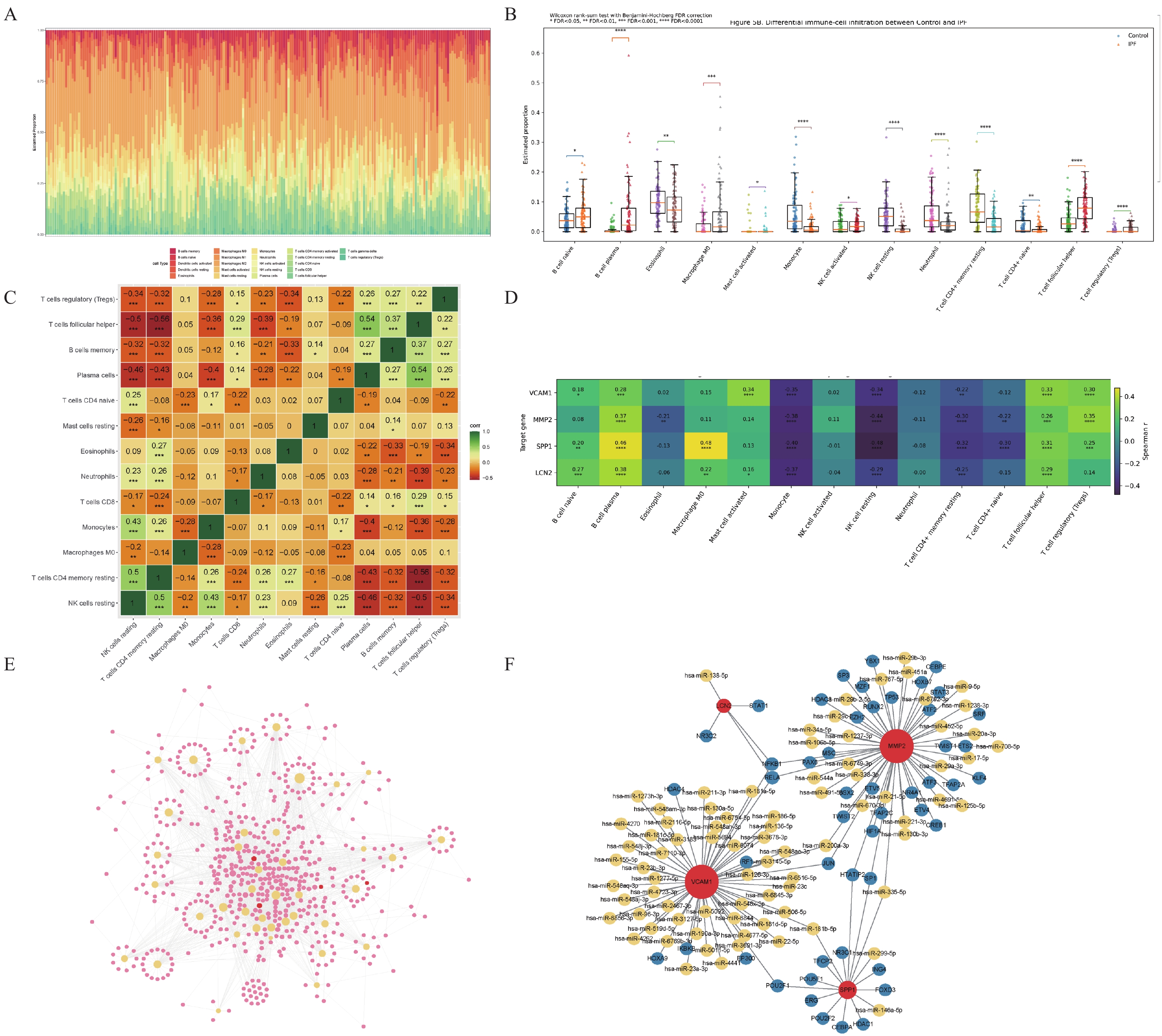
图 5 免疫浸润分析与调控网络
A:免疫细胞浸润分布热图;B:IPF 样本与对照样本中免疫细胞丰度差异(绿色代表对照组,粉色代表疾病组),采用 Wilcoxon 秩和检验,并经 Benjamini-Hochberg 法进行 FDR 校正;C:差异免疫细胞相关性热图,*表示经FDR校正后的显著性水平,数字表示相关系数,深绿色表示更强正相关性,深红色表示更强负相关性,统计使用Spearman 相关性分析;D:关键差异表达靶点与差异免疫细胞丰度之间 Spearman 相关性分析,采用 Benjamini- Hochberg 法进行 FDR 校正;E: ceRNA调控网络图,红色表示关键基因,黄色表示miRNA,粉色表示lncRNA;F: TF-mRNA-miRNA调控网络图,蓝色表示转录因子(TF),红色表示关键基因,黄色表示miRNA。*FDR < 0.05;**FDR < 0.01;***FDR < 0.001;****FDR < 0.0001。
Figure 5. Immune infiltration analysis and regulation network
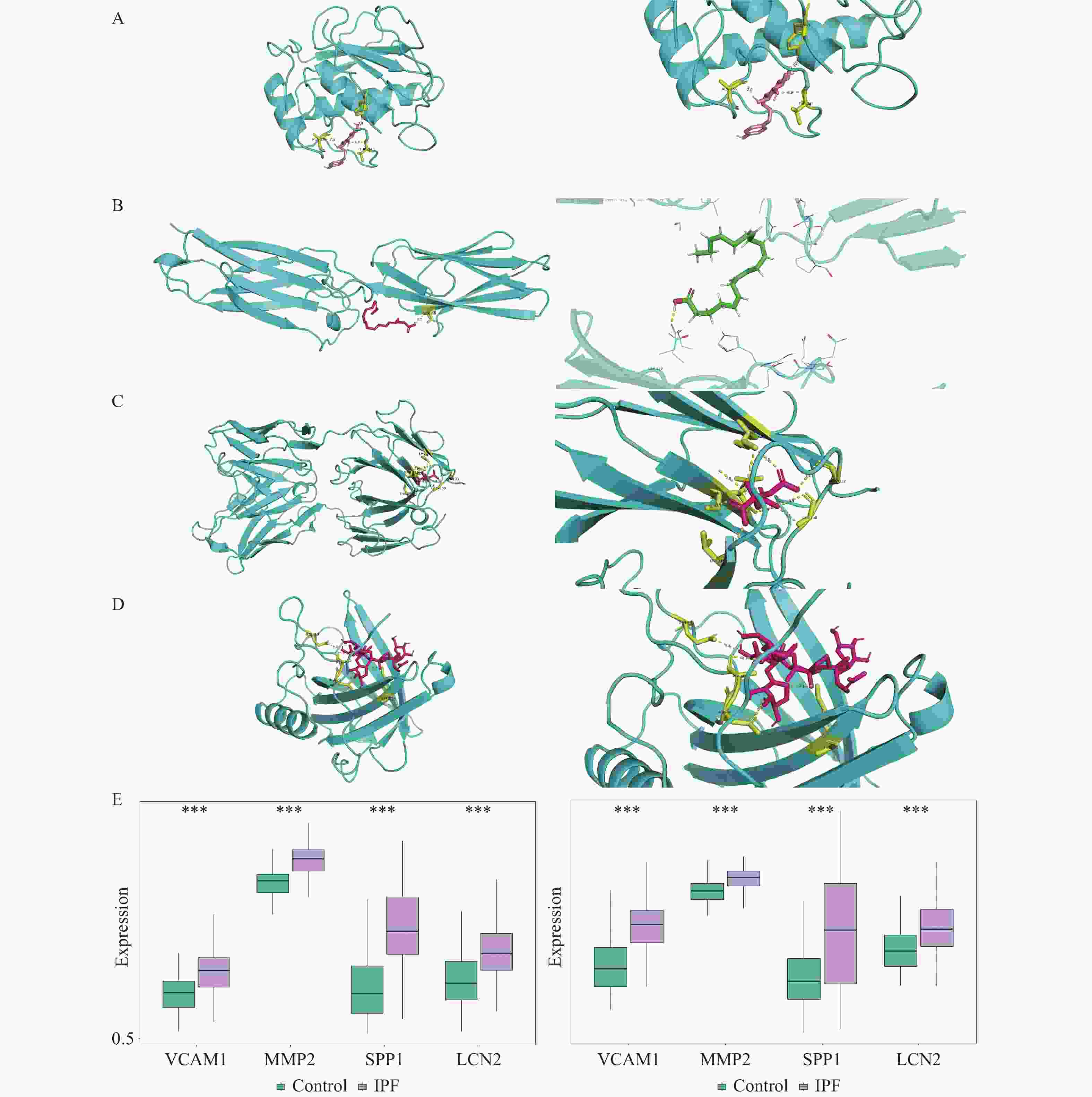
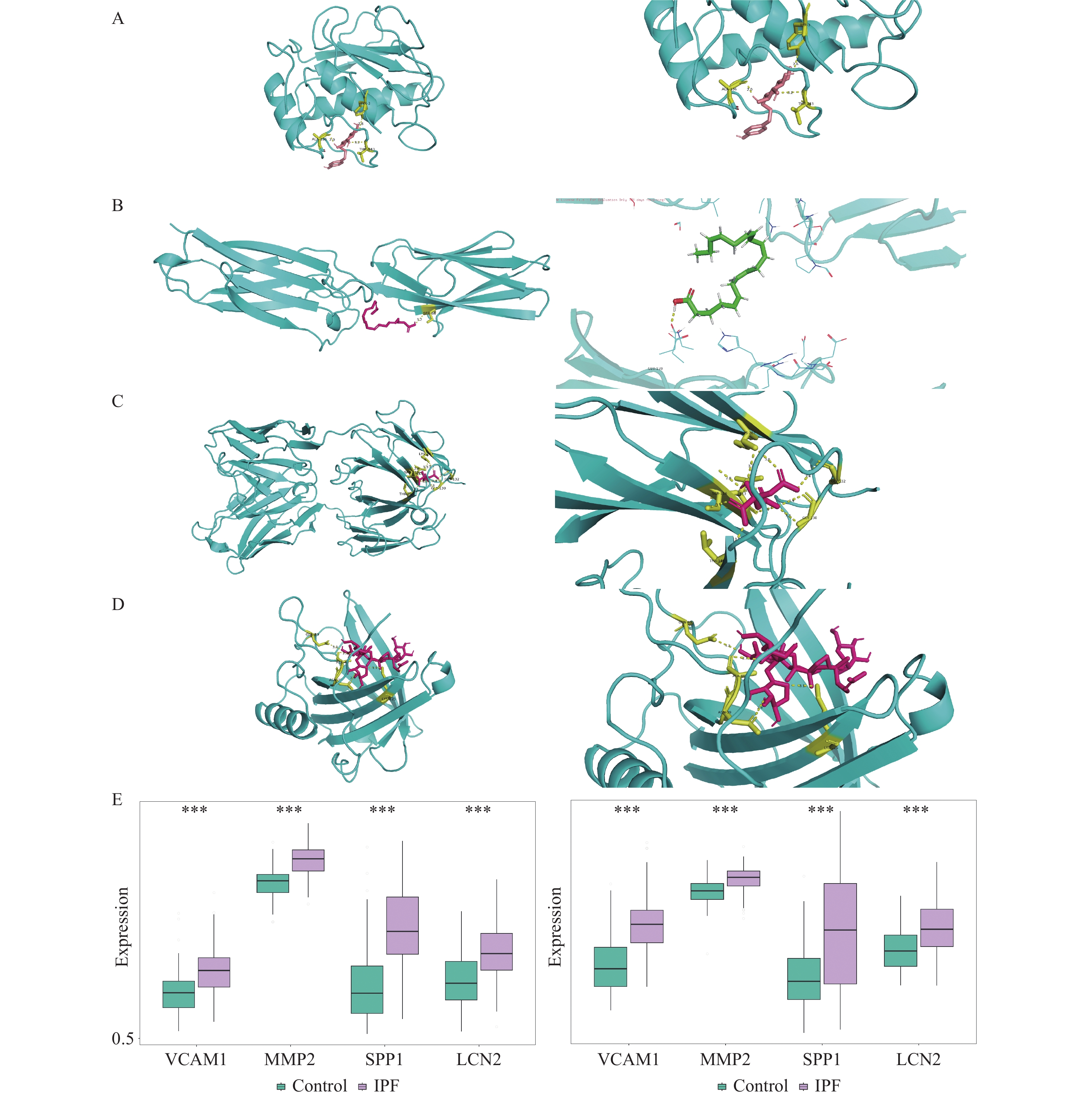
图 6 关键差异表达靶点的分子对接分析及数据集中表达验证
A:MMP2与Salidroside的分子对接结果;B:VCAM1与Eicosapentaenoic Acid的分子对接结果;C:SPP1与Citrate的分子对接结果;D:LCN2与Notoginsenoside R1的分子对接结果;左侧为配体-受体整体结合构象,右侧为局部结合位点放大图;黄色虚线表示氢键,相邻残基表示参与相互作用的关键氨基酸位点;E:关键靶基因表达情况:紫色表示 IPF 样本,绿色表示对照样本。左图显示训练集中关键靶基因的表达情况,右图显示验证集中关键靶基因的表达情况。采用 Wilcoxon 秩和检验比较组间差异;***P < 0.001
Figure 6. Molecular docking analysis of key differentially expressed targets and verification of expression in data set
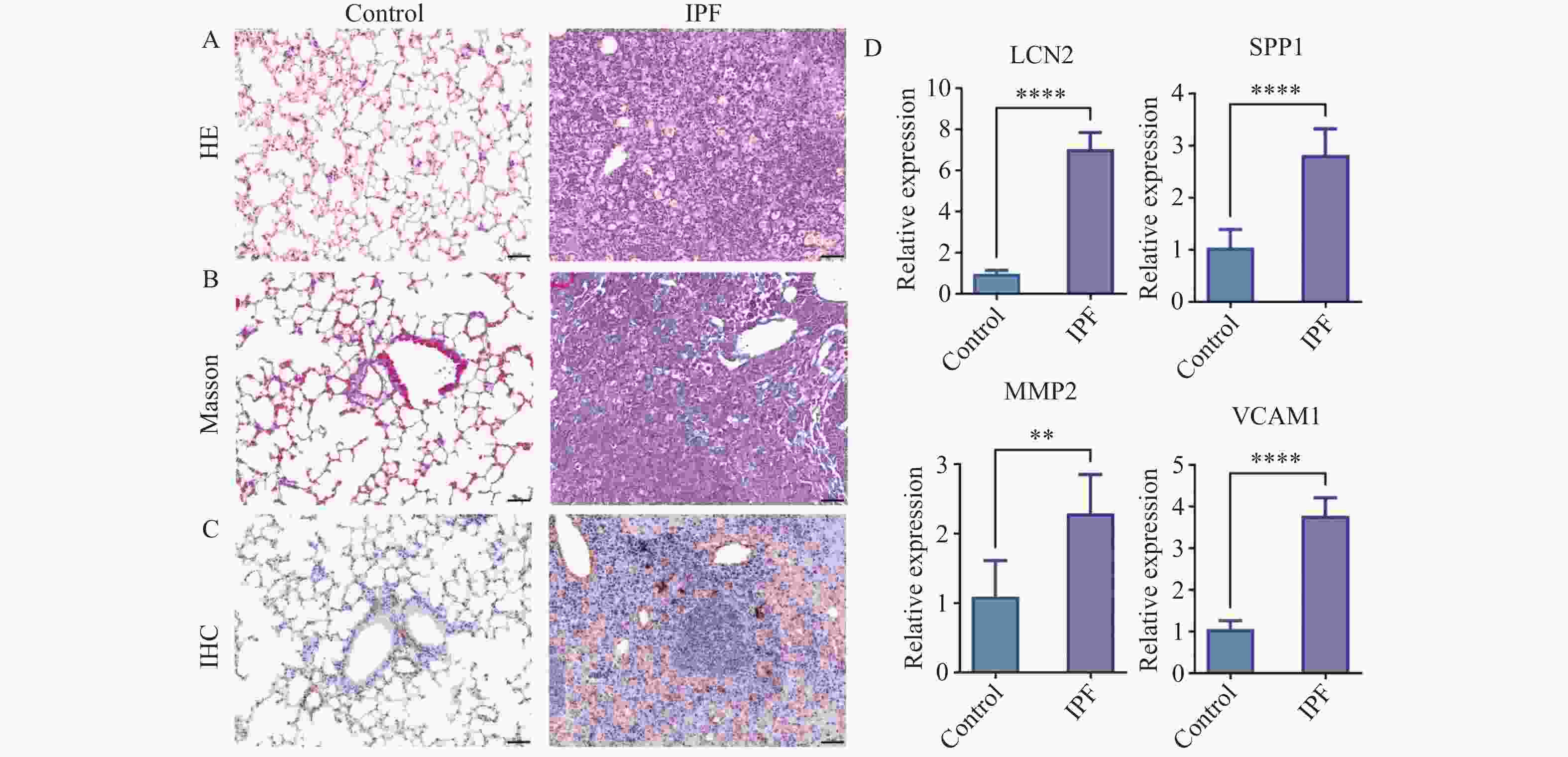
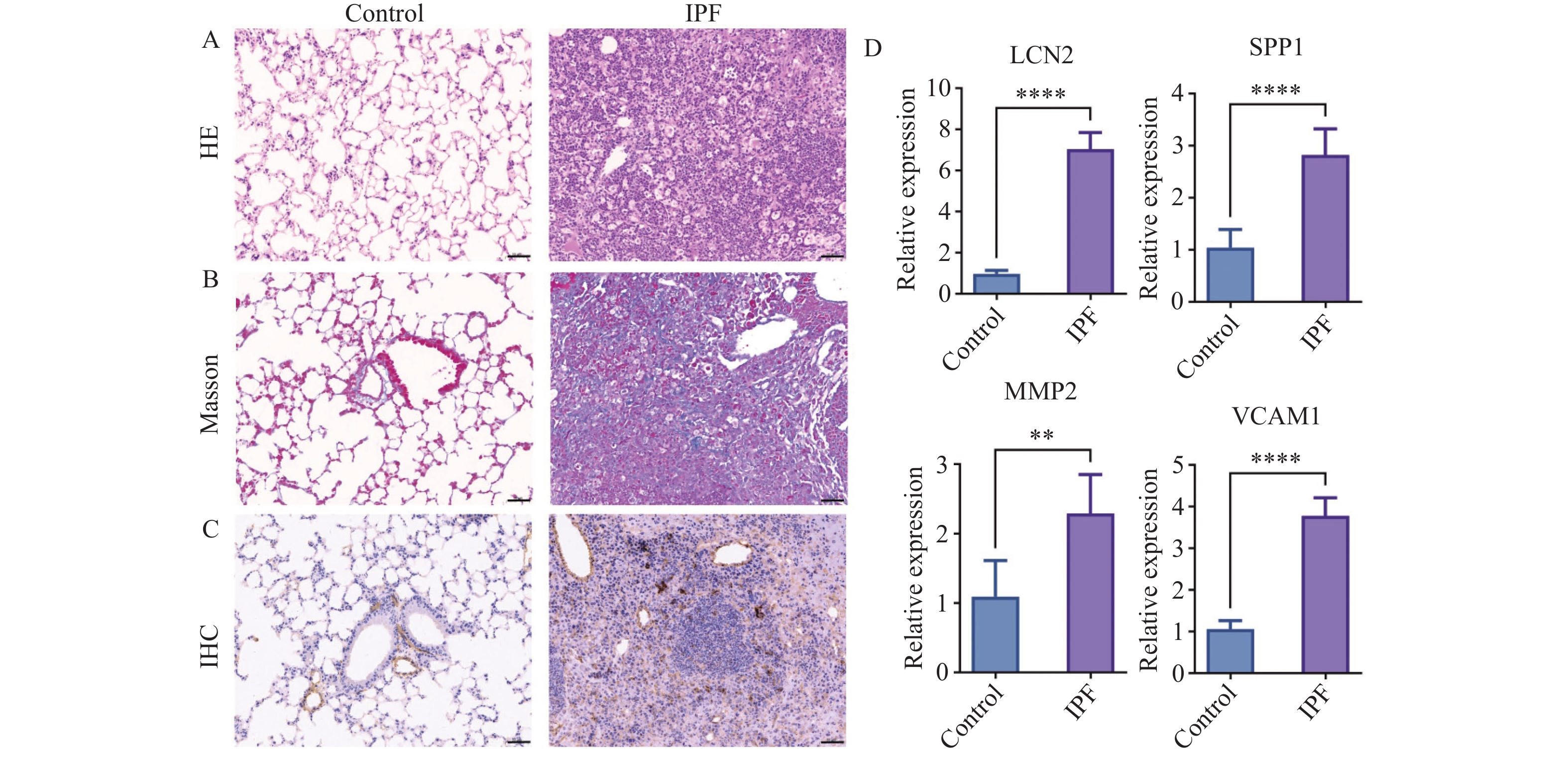
图 7 建模与表达验证
A:HE染色(×400,scale bar = 50 μm);B:Masson染色(×400,scale bar = 50 μm);C: IHC染色检测 α -SMA阳性率(×400,scale bar = 50 μm);D:候选基因qPCR检测,两组间比较采用Student’s t检验。**P < 0.01; ****P < 0.0001。
Figure 7. Model construction and expression verification
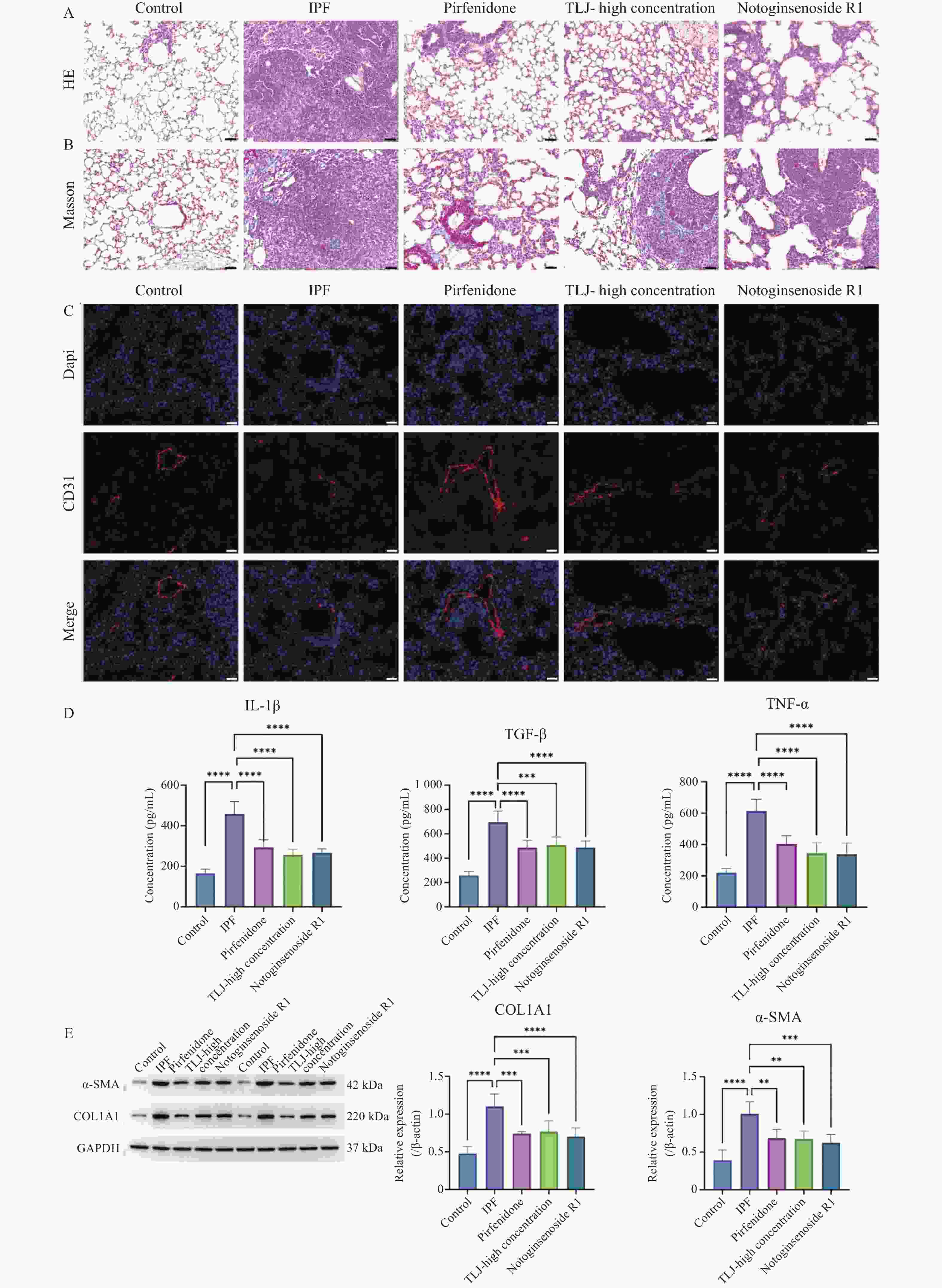
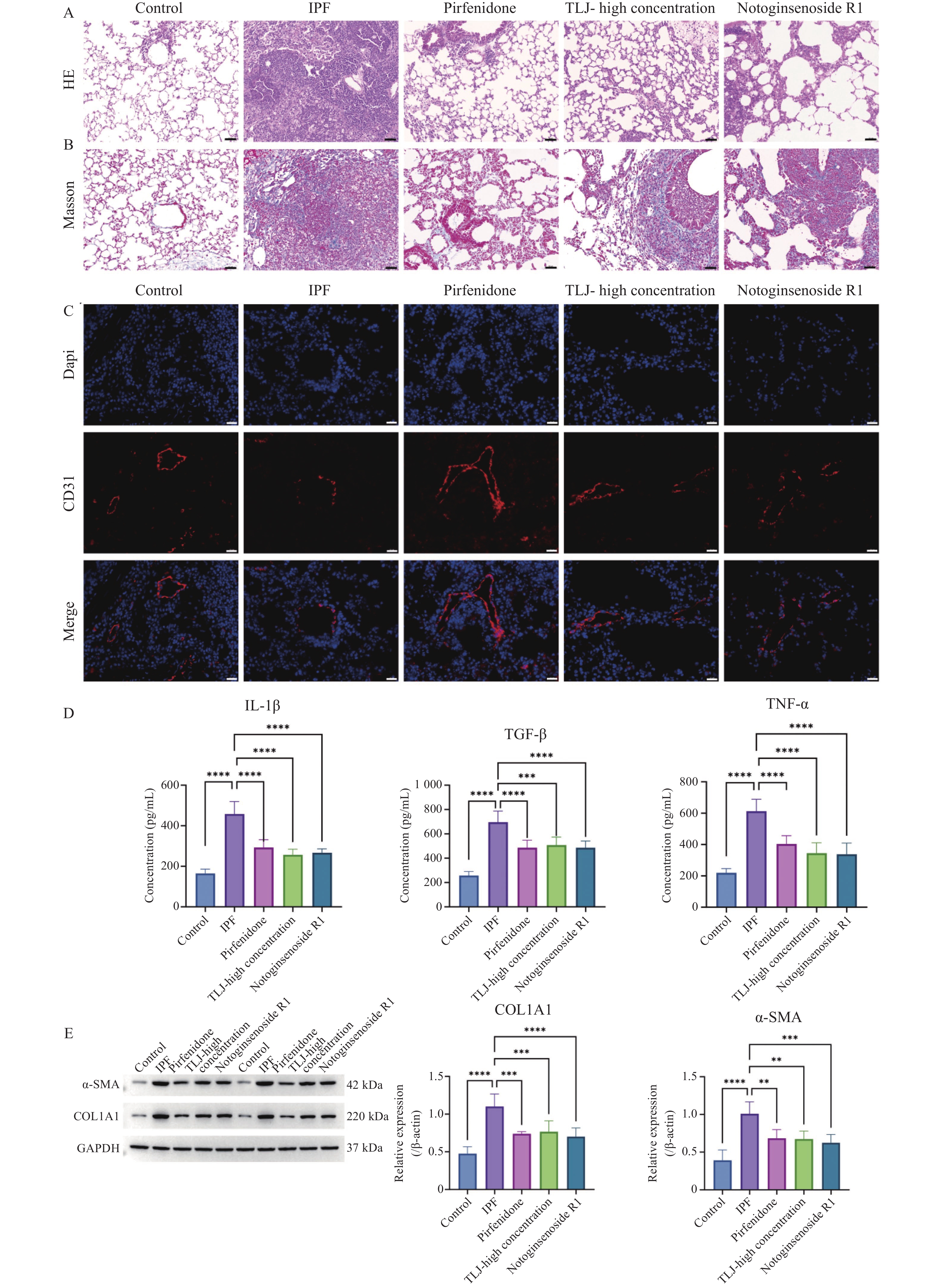
图 8 天龙竭的药物效应验证
A:HE染色(×400,scale bar = 50 μm);B: Masson染色(×400,scale bar = 50 μm);C:CD31免疫荧光检测(×400,scale bar = 50 μm);D: ELISA检测炎症因子IL-1β,TNF-α,以及TGF-β的含量;E:Western blot分析纤维化标志物α-SMA以及COL1A1的蛋白表达;*P < 0.05;**P < 0.01;***P < 0.001;****P < 0.0001。
Figure 8. Verification of drug effect of Tianlongjie
表 1 天龙竭复方活性成分及作用靶点的数据库筛选策略
Table 1. Database screening strategy for active components and targets of Tianlongjie formula
数据库/平台 检索内容 检索名称 纳入目的 结果及处理 HERB 红景天、地龙、龙血竭活性成分及靶点 中文名、英文名及标准拉丁名 作为中药活性成分与靶点筛选的主要数据库之一 获得天龙竭候选活性成分及潜在作用靶点 SymMap 红景天、地龙、龙血竭活性成分及靶点 中文名、英文名及标准拉丁名 补充 HERB 数据库结果,并用于中药-成分-靶点信息交叉验证 与 HERB 数据合并后去重 TCMSP 红景天、地龙、龙血竭相关成分及靶点 中文名、英文名及标准拉丁名 评估数据库覆盖度 未返回可用于后续分析的新有效成分或靶点记录 BATMAN-TCM 红景天、地龙、龙血竭相关成分及预测靶点 中文名、英文名及标准拉丁名 补充中药成分-靶点预测并进行交叉验证 未返回可用于后续分析的新有效成分或靶点记录,未增加最终交集靶点 Swiss Target Prediction 缺乏明确靶点信息的候选成分 候选成分结构信息 对无靶点注释的成分进行反向靶点预测 未获得新的交集靶点,作为补充验证结果说明 UniProt 所有候选靶点 Gene symbol / Protein ID 靶点名称标准化 限定物种为 Homo sapiens,统一转换为标准基因名称并去除重复靶点 GEO IPF 相关差异表达基因 GSE150910、GSE32537 获取疾病相关差异基因并进行训练集/验证集分析 与天龙竭潜在作用靶点取交集,获得 IPF 相关差异靶点  下载: 导出CSV
表 2 qPCR引物序列
Table 2. Primer sequences used for qPCR
基因 上游引物序列(5′-3′) 下游引物序列(5′-3′) LCN2 GGGAAATATGCACAGGTATCCTC CATGGCGAACTGGTTGTAGTC SPP1 AGCAAGAAACTCTTCCAAGCAA GTGAGATTCGTCAGATTCATCCG MMP2 CCTGGACCCTGAAACCGTG TCCCCATCATGGATTCGAGAA VCAM1 TTCGGTTGTTCTGACGTGTG TACCACCCCATTGAGGGGAC GAPDH GGAGCGAGATCCCTCCAAAAT GGCTGTTGTCATACTTCTCATGG
下载: 导出CSV
表 3 关键差异靶点在训练集和验证集中的ROC分析结果
Table 3. ROC analysis of key differential targets in the training and validation datasets
靶点 训练集AUC 训练集95%CI 验证集AUC 验证集95%CI 训练集与验证集AUC比较P值 VCAM1 0.778 [0.714,0.841] 0.830 [0.751,0.908] 0.315 MMP2 0.836 [0.781,0.890] 0.756 [0.679,0.832] 0.097 SPP1 0.863 [0.812,0.914] 0.719 [0.650,0.788] 0.001* LCN2 0.758 [0.692,0.823] 0.705 [0.621,0.790] 0.337 注:AUC的95%CI采用DeLong方法计算;训练集与验证集AUC比较用于评估关键靶点在不同数据集中的稳定性;*P < 0.05。
下载: 导出CSV
表 4 GSE32537验证集中关键差异靶点的
1000 次重复平衡抽样结果Table 4. Results of 1,000 repeated balanced resampling validation of key differential targets in the GSE32537 dataset
靶点 ROC-AUC均值 ROC-AUC
2.5%~97.5%区间PR-AUC均值 PR-AUC
2.5%~97.5%区间VCAM1 0.829 [0.797,0.858] 0.768 [0.721,0.808] MMP2 0.756 [0.696,0.812] 0.729 [0.678,0.779] SPP1 0.720 [0.650,0.790] 0.779 [0.721,0.833] LCN2 0.706 [0.650,0.760] 0.702 [0.637,0.760] 注:在GSE32537验证集中,每次随机抽取50例IPF样本和50例对照样本构建平衡子验证集,重复 1000 次;区间为1000 次重复抽样结果的2.5%和97.5%分位数。
下载: 导出CSV
表 5 关键靶点及活性成分的结合能结果
Table 5. Binding energy of key targets and active compounds
靶点 活性成分 对接评分(千卡/摩尔) MMP2 Salidroside −7.2 VCAM1 Eicosapentaenoic Acid −4.8 SPP1 Citrate −5.8 LCN2 Notoginsenoside R1 −8.2
下载: 导出CSV
-
[1] Raghu G, Remy-Jardin M, Myers J L, et al. Diagnosis of idiopathic pulmonary fibrosis. an official ATS/ERS/JRS/ALAT clinical practice guideline[J]. Am J Respir Crit Care Med, 2018, 198(5): e44-e68. doi: 10.1164/rccm.201807-1255ST [2] Spagnolo P, Kropski J A, Jones M G, et al. Idiopathic pulmonary fibrosis: Disease mechanisms and drug development[J]. Pharmacol Ther, 2021, 222: 107798. doi: 10.1016/j.pharmthera.2020.107798 [3] Bonella F, Wessendorf T E, Costabel U. Clinical experience with pirfenidone for the treatment of idiopathic pulmonary fibrosis[J]. Dtsch Med Wochenschr, 2013, 138(11): 518-523. doi: 10.1055/s-0032-1332930 [4] Raghu G, Remy-Jardin M, Richeldi L, et al. Idiopathic pulmonary fibrosis (an update) and progressive pulmonary fibrosis in adults: An official ATS/ERS/JRS/ALAT clinical practice guideline[J]. Am J Respir Crit Care Med, 2022, 205(9): e18-e47. doi: 10.1164/rccm.202202-0399ST [5] Kistler K D, Nalysnyk L, Rotella P, et al. Lung transplantation in idiopathic pulmonary fibrosis: A systematic review of the literature[J]. BMC Pulm Med, 2014, 14(1): 139. doi: 10.1186/1471-2466-14-139 [6] Shao D, Liu X, Wu J, et al. Identification of the active compounds and functional mechanisms of Jinshui Huanxian formula in pulmonary fibrosis by integrating serum pharmacochemistry with network pharmacology[J]. Phytomedicine, 2022, 102: 154177. doi: 10.1016/j.phymed.2022.154177 [7] Wang Y, Li N, Hu J, et al. A network pharmacology approach-based decoding of Resveratrol’s anti-fibrotic mechanisms[J]. Phytomedicine, 2024, 135: 156092. doi: 10.1016/j.phymed.2024.156092 [8] Wu S M, Tsai J J, Pan H C, et al. Aggravation of pulmonary fibrosis after knocking down the aryl hydrocarbon receptor in the insulin-like growth factor 1 receptor pathway[J]. Br J Pharmacol, 2022, 179(13): 3430-3451. doi: 10.1111/bph.15806 [9] Chen Y, Fan X, Zhou L, et al. Screening and evaluation of quality markers from Shuangshen Pingfei formula for idiopathic pulmonary fibrosis using network pharmacology and pharmacodynamic, phytochemical, and pharmacokinetic analyses[J]. Phytomedicine, 2022, 100: 154040. doi: 10.1016/j.phymed.2022.154040 [10] Ruenwilai P, Tajarernmuang P, Chattipakorn S C, et al. Circulating biomarkers for predicting disease progression in idiopathic pulmonary fibrosis: Insights into precision medicine[J]. Lung, 2026, 204(1). [11] Losada-Oliva P, Autilio C, Olmeda B, et al. Recent advances in pulmonary fibrosis: From lung surfactant to the immune connection[J]. Respir Res, 2026. [12] 付鹏. 天龙竭胶囊的制备工艺、质量标准及对肺纤维化大鼠CTGF因子表达影响[D]. 昆明: 云南中医药大学, 2021. [13] 付鹏, 黄宽, 陈凌云, 余晓玲. 基于HPLC指纹图谱结合化学计量学评价天龙竭胶囊质量及5个成分的含量测定[J]. 药物分析杂志, 2021, 41(11): 1885-1893. doi: 10.16155/j.0254-1793.2021.11.05 [14] Zhang S, Zhang L, Zhang H, et al. Hongjingtian injection attenuates myocardial oxidative damage via promoting autophagy and inhibiting apoptosis[J]. Oxid Med Cell Longev, 2017, 2017: 6965739. doi: 10.1155/2017/6965739 [15] Cooper E L, Hirabayashi K, Balamurugan M. Dilong: Food for thought and medicine[J]. J Tradit Complementary Med, 2012, 2(4): 242-248. doi: 10.1016/S2225-4110(16)30110-9 [16] Wei S, Yin X, Kou Y, et al. Lumbricus extract promotes the regeneration of injured peripheral nerve in rats[J]. J Ethnopharmacol, 2009, 123(1): 51-54. doi: 10.1016/j.jep.2009.02.030 [17] Li X H, Tu X Y, Zhang D X, et al. Effects of Wuwei Dilong decoction on inflammatory cells and cytokines in asthma model guinea pigs[J]. J Tradit Chin Med, 2009, 29(3): 220-223. doi: 10.1016/S0254-6272(09)60070-4 [18] Nie L, Zheng B X, Cheng D Y, et al. Effect of dragon’s blood on TGF-beta/smads signal transduction molecule mRNA expression in the lung tissue of rats with pulmonary fibrosis[J]. Sichuan Da Xue Xue Bao Yi Xue Ban, 2007, 38(5): 802-805. [19] 陈冰, 袁德政, 付义. 云药天龙竭分期干预对肺纤维化大鼠肺组织重构和肺功能的影响[J]. 中国药物警戒, 2024, 21(5): 540-546. doi: 10.19803/j.1672-8629.20230506 [20] 陈冰, 袁德政, 付义. 云药天龙竭分期干预对肺纤维化大鼠肺组织TGF-β1表达及病理变化的影响[J]. 中国药物警戒, 2024, 21(3): 319-323. doi: 10.19803/j.1672-8629.20230507 [21] 罗婷, 袁德政, 李天纲, 等. 天龙竭胶囊对肺纤维化模型大鼠α-SMA和E-Cadherin的影响[J]. 中医学报, 2024, 39(1): 174-180. doi: 10.16368/j.issn.1674-8999.2024.01.030 [22] Love M I, Huber W, Anders S. Moderated estimation of fold change and dispersion for RNA-seq data with DESeq2[J]. Genome Biol, 2014, 15(12): 550. doi: 10.1186/s13059-014-0550-8 [23] Gao C H, Yu G, Cai P. ggVennDiagram: An intuitive, easy-to-use, and highly customizable R package to generate Venn diagram[J]. Front Genet, 2021, 12: 706907. doi: 10.3389/fgene.2021.706907 [24] Wu T, Hu E, Xu S, et al. clusterProfiler 4.0: A universal enrichment tool for interpreting omics data[J]. Innovation, 2021, 2(3): 100141. [25] Kanehisa M, Sato Y, Kawashima M, et al. KEGG as a reference resource for gene and protein annotation[J]. Nucleic Acids Res, 2016, 44(D1): D457-D462. doi: 10.1093/nar/gkv1070 [26] Kanehisa M, Goto S. KEGG Kyoto encyclopedia of genes and genomes[J]. Nucleic Acids Res, 2000, 28(1): 27-30. [27] Wickham H. ggplot2: Elegant Graphics for Data Analysis[M]. New York, NY: Springer New York, 2009. [28] Shannon P, Markiel A, Ozier O, et al. Cytoscape: A software environment for integrated models of biomolecular interaction networks[J]. Genome Res, 2003, 13(11): 2498-2504. doi: 10.1101/gr.1239303 [29] Friedman J H, Hastie T, Tibshirani R. Regularization paths for generalized linear models via coordinate descent[J]. J Stat Softw, 2010, 33(1): 1-22. [30] Robin X, Turck N, Hainard A, et al. pROC: An open-source package for R and S+ to analyze and compare ROC curves[J]. BMC Bioinformatics, 2011, 12: 77. doi: 10.1186/1471-2105-12-77 [31] 袁德政, 罗婷, 陈冰, 等. 云药 “天龙竭” 对肺间质纤维化大鼠肺指数及肺组织中胶原含量的影响[J]. 辽宁中医药大学学报, 2023, 25(12): 19-24, 封3. doi: 10.13194/j.issn.1673-842x.2023.12.005 [32] Peng R, Sridhar S, Tyagi G, et al. Bleomycin induces molecular changes directly relevant to idiopathic pulmonary fibrosis: A model for “active” disease[J]. PLoS One, 2013, 8(4): e59348. doi: 10.1371/journal.pone.0059348 [33] Walters D M, Kleeberger S R. Mouse models of bleomycin-induced pulmonary fibrosis[J]. Curr Protoc Pharmacol, 2008, Chapter 5: Unit5.46. [34] Qian W, Cai X, Qian Q, et al. Astragaloside IV modulates TGF-β1-dependent epithelial-mesenchymal transition in bleomycin-induced pulmonary fibrosis[J]. J Cell Mol Med, 2018, 22(9): 4354-4365. doi: 10.1111/jcmm.13725 [35] Zhang Y, Lu Y B, Zhu W J, et al. Leech extract alleviates idiopathic pulmonary fibrosis by TGF-β1/Smad3 signaling pathway[J]. J Ethnopharmacol, 2024, 324: 117737. doi: 10.1016/j.jep.2024.117737 [36] Xin X, Yao D, Zhang K, et al. Protective effects of Rosavin on bleomycin-induced pulmonary fibrosis via suppressing fibrotic and inflammatory signaling pathways in mice[J]. Biomed Pharmacother, 2019, 115: 108870. doi: 10.1016/j.biopha.2019.108870 [37] 袁德政, 罗婷, 张强, 等. 付义教授运用“天龙竭”方案联合升陷汤治疗IPF经验撷菁[J]. 云南中医药大学学报, 2023, 46(4): 45-49. doi: 10.19288/j.cnki.issn.1000-2723.2023.04.010 [38] 冷萍. 基于象思维的“天龙竭”方案对IPF分期辨治的临床研究[D]. 昆明: 云南中医学院, 2017. [39] 黄佰超. 基于象思维的“天龙竭”分期辨治方案对IPF的综合疗效观察[D]. 昆明: 云南中医学院, 2018. [40] 杨胜英. “天龙竭”方案对IPF患者疗效观察及血清CXCL13、MMP7的影响[D]. 昆明: 云南中医药大学, 2024. [41] 曾科星. “天龙竭”分期治疗方案对晚期IPF患者的综合疗效及血清KL-6、CCL18的影响[D]. 昆明: 云南中医药大学, 2021. [42] 陈冰, 杨春艳, 付义. “天龙竭” 论治方案对晚期特发性肺间质纤维化患者肺功能及血清涎液化糖链抗原-6、趋化因子18的影响[J]. 中国医药导报, 2024, 21(4): 86-90. doi: 10.20047/j.issn1673-7210.2024.04.20 [43] 罗婷, 袁德政, 李蕾, 等. 天龙竭调控Notch信号通路干预肺纤维化大鼠的实验研究[J]. 时珍国医国药, 2024, 35(9): 2092-2098. doi: 10.3969/j.issn.1008-0805.2024.09.10 [44] 袁德政, 罗婷, 陈冰, 等. 天龙竭对博来霉素诱导的肺间质纤维化大鼠血管重构的影响[J]. 中华中医药杂志, 2025, 40(2): 636-641. [45] 袁德政. 云药“天龙竭”对实验性PF大鼠肺组织损伤后过度修复的调控研究[D]. 昆明: 云南中医药大学, 2023. [46] Pei Z, Qin Y, Fu X, et al. Inhibition of ferroptosis and iron accumulation alleviates pulmonary fibrosis in a bleomycin model[J]. Redox Biol, 2022, 57: 102509. doi: 10.1016/j.redox.2022.102509 [47] Corte T J, Lancaster L, Swigris J J, et al. Phase 2 trial design of BMS-986278, a lysophosphatidic acid receptor 1 (LPA1) antagonist, in patients with idiopathic pulmonary fibrosis (IPF) or progressive fibrotic interstitial lung disease (PF-ILD)[J]. BMJ Open Respir Res, 2021, 8(1): e001026. doi: 10.1136/bmjresp-2021-001026 [48] Bargagli E, Refini R M, D’Alessandro M, et al. Metabolic dysregulation in idiopathic pulmonary fibrosis[J]. Int J Mol Sci, 2020, 21(16): 5663. doi: 10.3390/ijms21165663 [49] Romero Y, Balderas-Martínez Y I, Vargas-Morales M A, et al. Effect of hypoxia in the transcriptomic profile of lung fibroblasts from idiopathic pulmonary fibrosis[J]. Cells, 2022, 11(19): 3014. doi: 10.3390/cells11193014 [50] Zhang Y, Fu J, Li C, et al. Omentin-1 induces mechanically activated fibroblasts lipogenic differentiation through pkm2/Yap/pparγ pathway to promote lung fibrosis resolution[J]. Cell Mol Life Sci, 2023, 80(10): 308. doi: 10.1007/s00018-023-04961-y [51] Yan L, Jiang M Y, Fan X S. Research into the anti-pulmonary fibrosis mechanism of Renshen Pingfei formula based on network pharmacology, metabolomics, and verification of AMPK/PPAR-γ pathway of active ingredients[J]. J Ethnopharmacol, 2023, 317: 116773. doi: 10.1016/j.jep.2023.116773 [52] Chen S, Zhang X, Yang C, et al. Essential role of IL-17 in acute exacerbation of pulmonary fibrosis induced by non-typeable Haemophilus influenzae[J]. Theranostics, 2022, 12(11): 5125-5137. doi: 10.7150/thno.74809 [53] Zhang Q, Tong L, Wang B, et al. Diagnostic value of serum levels of IL-22, IL-23, and IL-17 for idiopathic pulmonary fibrosis associated with lung cancer[J]. Ther Clin Risk Manag, 2022, 18: 429-437. doi: 10.2147/TCRM.S349185 [54] Danilova N, Gazda H T. Ribosomopathies: How a common root can cause a tree of pathologies[J]. Dis Model Mech, 2015, 8(9): 1013-1026. doi: 10.1242/dmm.020529 [55] Zhang R, Jing W, Chen C, et al. Inhaled mRNA nanoformulation with biogenic ribosomal protein reverses established pulmonary fibrosis in a bleomycin-induced murine model[J]. Adv Mater, 2022, 34(14): e2107506. doi: 10.1002/adma.202107506 [56] Paplińska-Goryca M, Goryca K, Misiukiewicz-Stępień P, et al. mRNA expression profile of bronchoalveolar lavage fluid cells from patients with idiopathic pulmonary fibrosis and sarcoidosis[J]. Eur J Clin Invest, 2019, 49(9): e13153. doi: 10.1111/eci.13153 [57] Effendi W I, Nagano T. Connective tissue growth factor in idiopathic pulmonary fibrosis: Breaking the bridge[J]. Int J Mol Sci, 2022, 23(11): 6064. doi: 10.3390/ijms23116064 [58] Li X, Liang Q, Gao S, et al. Lenalidomide attenuates post-inflammation pulmonary fibrosis through blocking NF-κB signaling pathway[J]. Int Immunopharmacol, 2022, 103: 108470. doi: 10.1016/j.intimp.2021.108470 [59] Wang Y, Sang X, Shao R, et al. Xuanfei Baidu Decoction protects against macrophages induced inflammation and pulmonary fibrosis via inhibiting IL-6/STAT3 signaling pathway[J]. J Ethnopharmacol, 2022, 283: 114701. doi: 10.1016/j.jep.2021.114701 [60] He S, Shen M, Zhang L, et al. Maimendong decoction regulates M2 macrophage polarization to suppress pulmonary fibrosis via PI3K/Akt/FOXO3a signalling pathway-mediated fibroblast activation[J]. J Ethnopharmacol, 2024, 319(Pt 3): 117308. [61] Prêle C M, Miles T, Pearce D R, et al. Plasma cell but not CD20-mediated B-cell depletion protects from bleomycin-induced lung fibrosis[J]. Eur Respir J, 2022, 60(5): 2101469. doi: 10.1183/13993003.01469-2021 [62] Zhang Y, Wang C, Xia Q, et al. Machine learning-based prediction of candidate gene biomarkers correlated with immune infiltration in patients with idiopathic pulmonary fibrosis[J]. Front Med, 2023, 10: 1001813. doi: 10.3389/fmed.2023.1001813 [63] Zheng S, Zhang Y, Hou Y, et al. Underlying molecular mechanism and construction of a miRNA-gene network in idiopathic pulmonary fibrosis by bioinformatics[J]. Int J Mol Sci, 2023, 24(17): 13305. doi: 10.3390/ijms241713305 [64] Bormann T, Maus R, Stolper J, et al. Role of matrix metalloprotease-2 and MMP-9 in experimental lung fibrosis in mice[J]. Respir Res, 2022, 23(1): 180. doi: 10.1186/s12931-022-02105-7 [65] Takeuchi T, Hayashi M, Tamita T, et al. Discovery of aryloxyphenyl-heptapeptide hybrids as potent and selective matrix metalloproteinase-2 inhibitors for the treatment of idiopathic pulmonary fibrosis[J]. J Med Chem, 2022, 65(12): 8493-8510. doi: 10.1021/acs.jmedchem.2c00613 [66] Takamiya Y, Fukami K, Yamagishi S I, et al. Experimental diabetic nephropathy is accelerated in matrix metalloproteinase-2 knockout mice[J]. Nephrol Dial Transplant, 2013, 28(1): 55-62. doi: 10.1093/ndt/gfs387 [67] Mias C, Lairez O, Trouche E, et al. Mesenchymal stem cells promote matrix metalloproteinase secretion by cardiac fibroblasts and reduce cardiac ventricular fibrosis after myocardial infarction[J]. Stem Cells, 2009, 27(11): 2734-2743. doi: 10.1002/stem.169 [68] Galaris A, Fanidis D, Tsitoura E, et al. Increased lipocalin-2 expression in pulmonary inflammation and fibrosis[J]. Front Med, 2023, 10: 1195501. doi: 10.3389/fmed.2023.1195501 [69] Xia Z, Su X, Xie L, et al. Lipocalin 2: A double-edged sword in cellular ferroptosis[J]. Cell Biol Toxicol, 2026, 42(1): 48. doi: 10.1007/s10565-026-10145-8 [70] Tanahashi H, Iwamoto H, Yamaguchi K, et al. Lipocalin-2 as a prognostic marker in patients with acute exacerbation of idiopathic pulmonary fibrosis[J]. Respir Res, 2024, 25(1): 195. doi: 10.1186/s12931-024-02825-y [71] Zeng J J, Shi H Q, Ren F F, et al. Notoginsenoside R1 protects against myocardial ischemia/reperfusion injury in mice via suppressing TAK1-JNK/p38 signaling[J]. Acta Pharmacol Sin, 2023, 44(7): 1366-1379. doi: 10.1038/s41401-023-01057-y [72] Li H, Zhu J, Xu Y W, et al. Notoginsenoside R1-loaded mesoporous silica nanoparticles targeting the site of injury through inflammatory cells improves heart repair after myocardial infarction[J]. Redox Biol, 2022, 54: 102384. doi: 10.1016/j.redox.2022.102384 [73] Gong X, Shan L, Cao S, et al. Notoginsenoside R1, an active compound from Panax notoginseng, inhibits hepatic stellate cell activation and liver fibrosis via MAPK signaling pathway[J]. Am J Chin Med, 2022, 50(2): 511-523. doi: 10.1142/S0192415X22500197 [74] Liu M, Zhang T, Zang C, et al. Preparation, optimization, and in vivo evaluation of an inhaled solution of total saponins of Panax notoginseng and its protective effect against idiopathic pulmonary fibrosis[J]. Drug Deliv, 2020, 27(1): 1718-1728. doi: 10.1080/10717544.2020.1856222 -

 点击查看大图
计量
- 文章访问数: 2
- HTML全文浏览量: 2
- PDF下载量: 0
- 被引次数: 0
