




ACOT7 Promotes the Malignant Biological Behavior of Triple-Negative Breast Cancer Cells by Activating the PI3K/AKT Signaling Pathway
-
摘要:
目的 探讨酰基辅酶A硫酯酶7(Acyl-CoA thioesterase 7,ACOT7)对三阴性乳腺癌(triple-negative breast cancer,TNBC)细胞恶性生物学行为的影响及潜在机制。 方法 通过基因表达谱交互分析(gene expression profiling interactive analysis,GEPIA)数据库分析ACOT7在乳腺癌中的表达及预后价值。采用Western blot检测ACOT7在人正常乳腺细胞MCF-10A及三阴性乳腺癌(triple negative breast cancer,TNBC)细胞MDA-MB-468、MDA-MB-231中的蛋白表达。通过si-ACOT7转染、慢病毒感染分别构建ACOT7敲低及稳定过表达TNBC细胞模型,采用CCK-8、平板克隆、细胞划痕及Transwell实验检测ACOT7对TNBC细胞恶性生物学行为的影响。运用Western blot检测ACOT7对PI3K/AKT通路相关蛋白表达的影响。利用免疫沉淀-质谱(immunoprecipitation-mass spectrometry,IP-MS)技术在MDA-MB-468细胞中筛选ACOT7相互作用蛋白,以免疫共沉淀(Co-immunoprecipitation,Co-IP)验证ACOT7与胰岛素受体底物1(insulin receptor substrate 1,IRS1)的相互作用,Western blot检测ACOT7对IRS1表达的影响。最后,采用PI3K/AKT通路激动剂IGF-1和抑制剂LY294002进行挽救实验,验证ACOT7是否通过调节PI3K/AKT通路影响TNBC细胞生物学行为。 结果 GEPIA数据库分析表明,ACOT7在乳腺癌组织中的表达高于正常组织且ACOT7高表达患者总体生存率较低(P < 0.05);ACOT7在TNBC细胞中的表达高于MCF-10A细胞(P < 0.05);功能实验显示,敲低ACOT7可抑制TNBC细胞的增殖、迁移和侵袭能力并降低细胞中p-PI3K和p-AKT蛋白水平,而过表达ACOT7则呈现相反趋势(P < 0.05)。IP-MS及Co-IP实验证实ACOT7与IRS1存在蛋白相互作用,且ACOT7可正向调控IRS1蛋白表达(P < 0.05)。挽救实验结果表明,IGF-1可部分逆转敲低ACOT7对PI3K/AKT信号通路活性及TNBC细胞恶性生物学行为的抑制作用(P < 0.05),而LY294002可削弱过表达ACOT7对上述指标的激活作用(P < 0.05)。 结论 ACOT7可能通过与IRS1相互作用并激活PI3K/AKT通路,从而促进TNBC细胞增殖、迁移和侵袭。 Abstract:Objective To examine the function of acyl-CoA thioesterase7 (ACOT7) in the malignant biological behavior of triple-negative breast cancer (TNBC) cells and to explore its underlying mechanisms. Methods The expression and prognostic value of ACOT7 in breast cancer were analyzed using the gene expression profiling interactive analysis (GEPIA) database. Western blot was employed to detect the protein expression of ACOT7 in the human normal breast cell line MCF-10A and the triple-negative breast cancer (TNBC) cell lines MDA-MB-468 and MDA-MB-231. ACOT7 knockdown and stable overexpression TNBC cell models were established via si-ACOT7 transfection and lentiviral infection, respectively. CCK-8, plate colony formation, wound healing, and Transwell assays were performed to evaluate the effects of ACOT7 on the malignant biological behaviors of TNBC cells. Western blot was used to examine the effects of ACOT7 on the expression of proteins related to the PI3K/AKT pathway. Immunoprecipitation-mass spectrometry (IP-MS) was applied to screen for ACOT7-interacting proteins in MDA-MB-468 cells, and co-immunoprecipitation (Co-IP) was performed to verify the interaction between ACOT7 and insulin receptor substrate 1 (IRS1) in MDA-MB-468 and MDA-MB-231 cells. Western blot was further conducted to determine the effect of ACOT7 on IRS1 expression. Finally, rescue experiments using the PI3K/AKT pathway agonist IGF-1 and inhibitor LY294002 were carried out to verify whether ACOT7 influences the biological behaviors of TNBC cells by regulating the PI3K/AKT pathway. Results GEPIA database analysis showed that ACOT7 expression was higher in breast cancer tissues than in normal tissues, and patients with high ACOT7 expression had a lower overall survival rate (P < 0.05). ACOT7 expression was higher in TNBC cells than in MCF-10A cells (P < 0.05). Functional assays demonstrated that knockdown of ACOT7 inhibited the proliferation, migration, and invasion abilities of TNBC cells and reduced the protein levels of p-PI3K and p-AKT, whereas overexpression of ACOT7 showed the opposite trends (P < 0.05). IP-MS and Co-IP assays confirmed a protein-protein interaction between ACOT7 and IRS1, and ACOT7 positively regulated IRS1 protein expression (P < 0.05). Rescue experiment results indicated that IGF-1 partially reversed the inhibitory effects of ACOT7 knockdown on PI3K/AKT signaling pathway activity and the malignant biological behaviors of TNBC cells (P < 0.05), while LY294002 attenuated the activating effects of ACOT7 overexpression on the above parameters (P < 0.05). Conclusion ACOT7 may promote the proliferation, migration, and invasion of TNBC cells by interacting with IRS1 and activating the PI3K/AKT pathway. -
Key words:
- Triple-negative breast cancer /
- ACOT7 /
- PI3K/AKT signaling pathway /
- Proliferation /
- Migration /
- Invasion
-
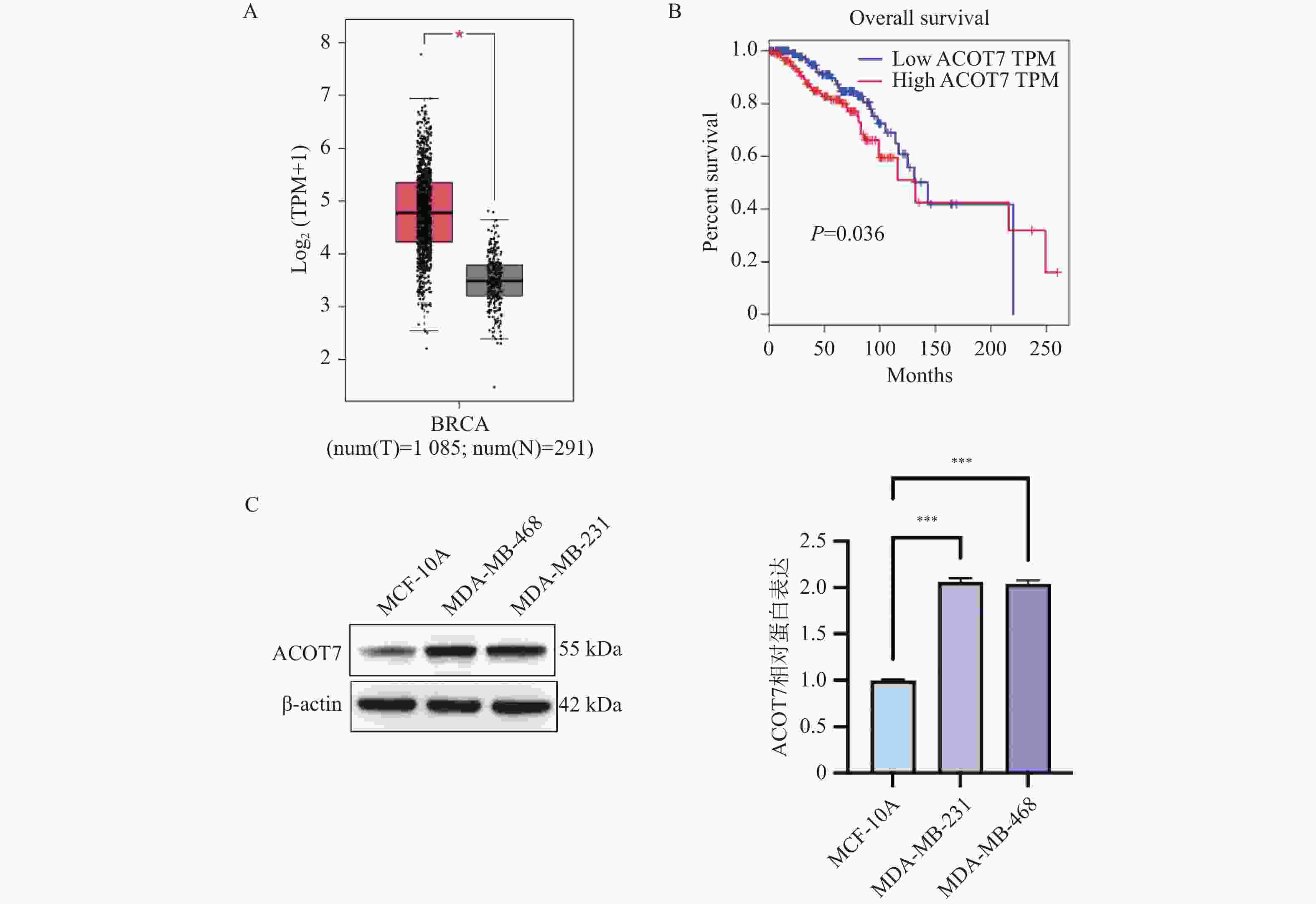
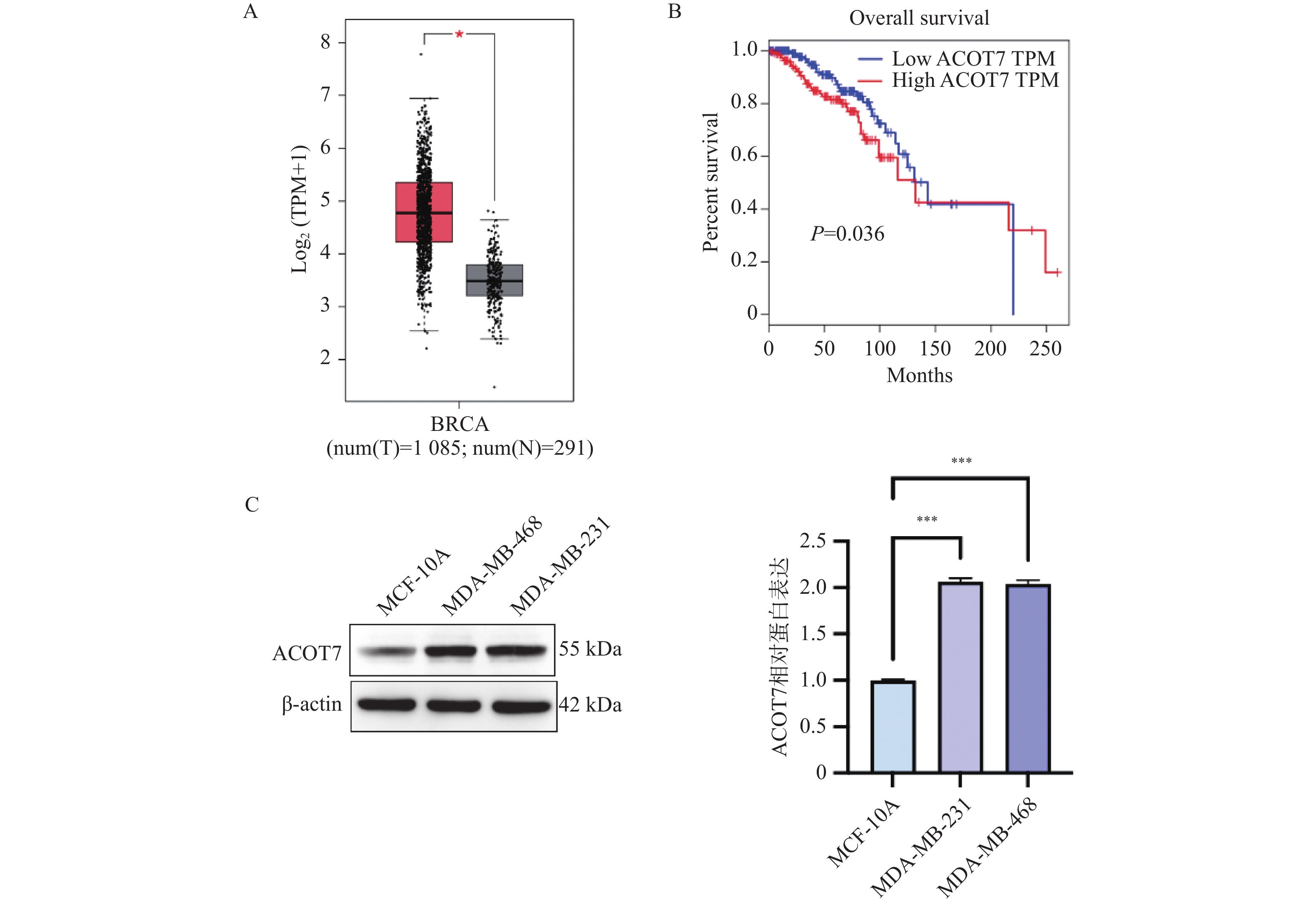
图 1 ACOT7在TNBC中的表达及其与患者预后的关系($ \bar x \pm s $,n = 3)
A:ACOT7在乳腺癌组织中的表达;B:ACOT7表达对TNBC患者预后的影响;C:ACOT7的蛋白表达水平;***P < 0.001。
Figure 1. ACOT7 expression in TNBC and its correlation with patient prognosis($ \bar x \pm s $,n = 3)
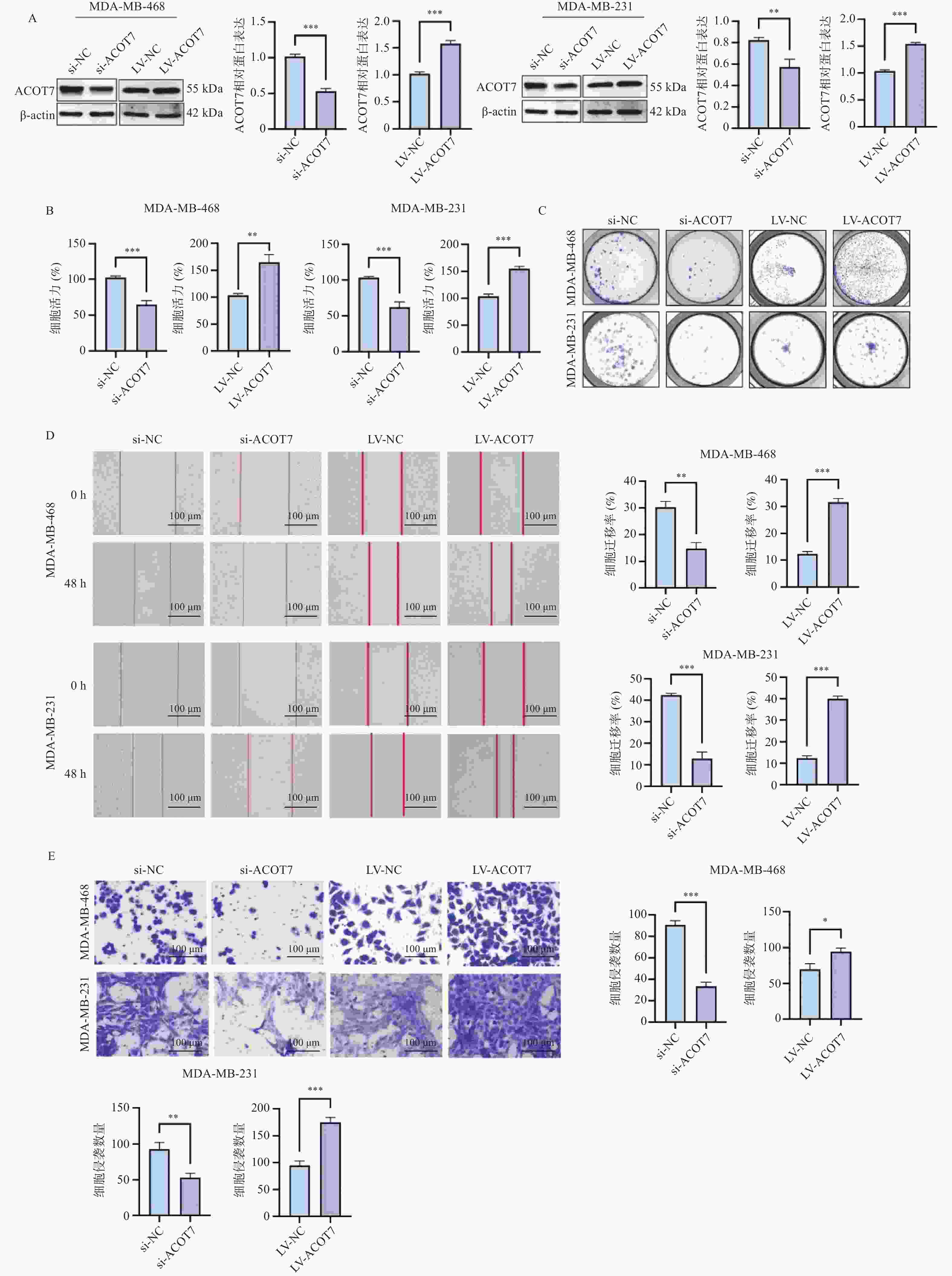
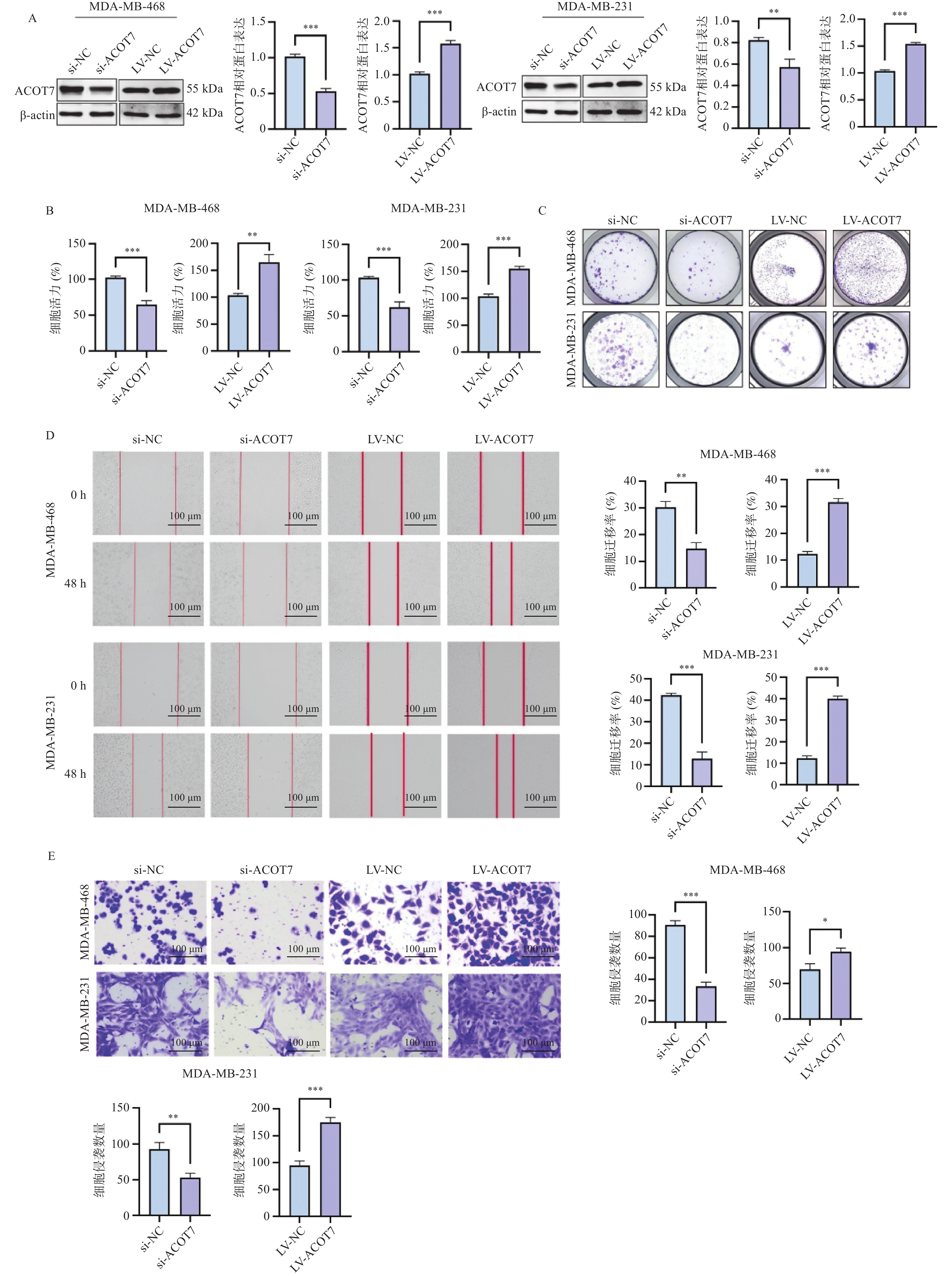
图 2 ACOT7对TNBC细胞增殖、迁移和侵袭能力的影响($ \bar x \pm s $,n = 3)
A:ACOT7的蛋白表达水平;B:细胞活力;C:细胞增殖情况;D:细胞迁移率(×100);E:细胞侵袭数量(×400);*P < 0.05,**P < 0.01,***P < 0.001。
Figure 2. Effects of ACOT7 on the proliferation,migration,and invasion abilities of TNBC cells($ \bar x \pm s $,n = 3)
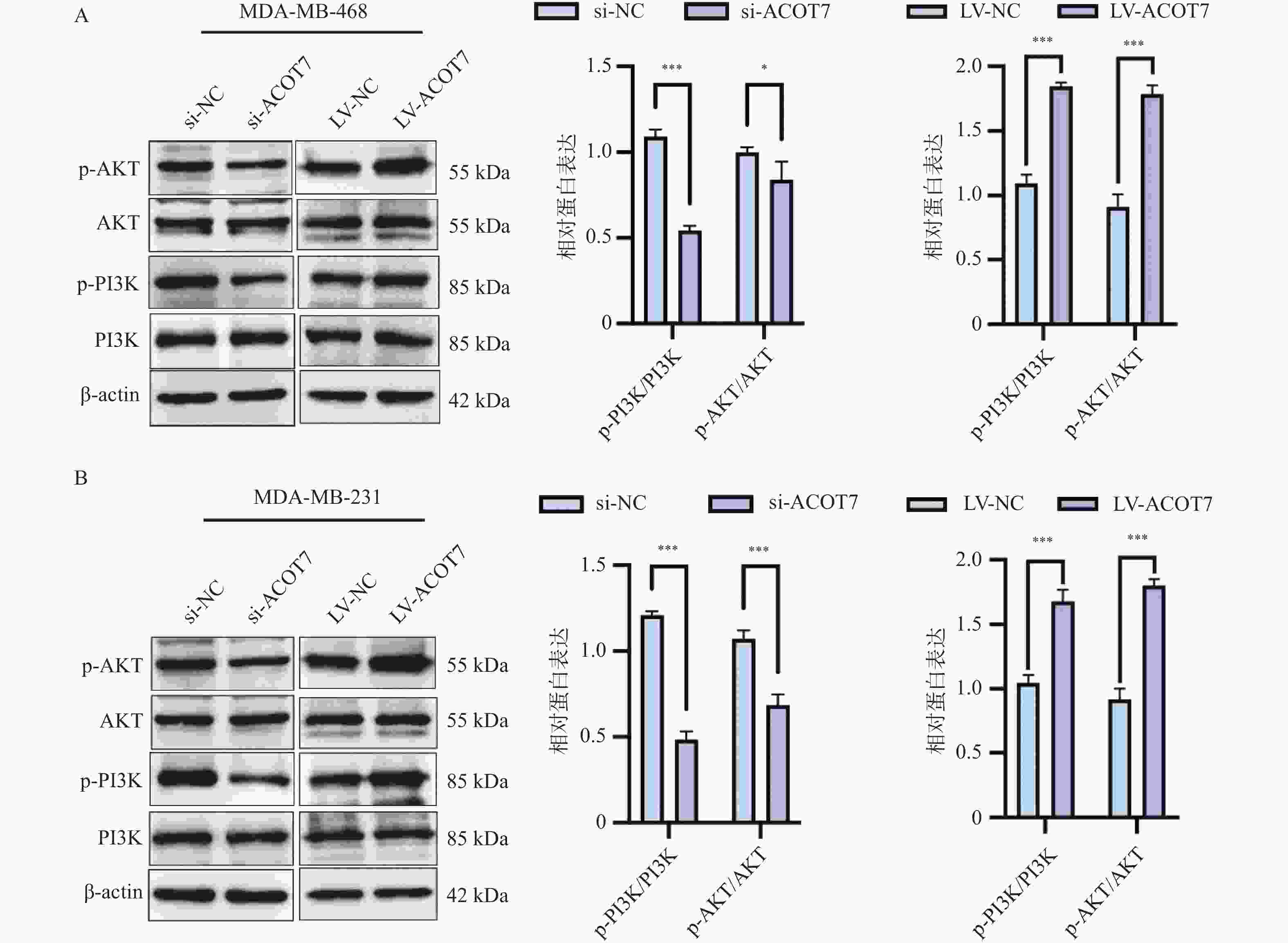
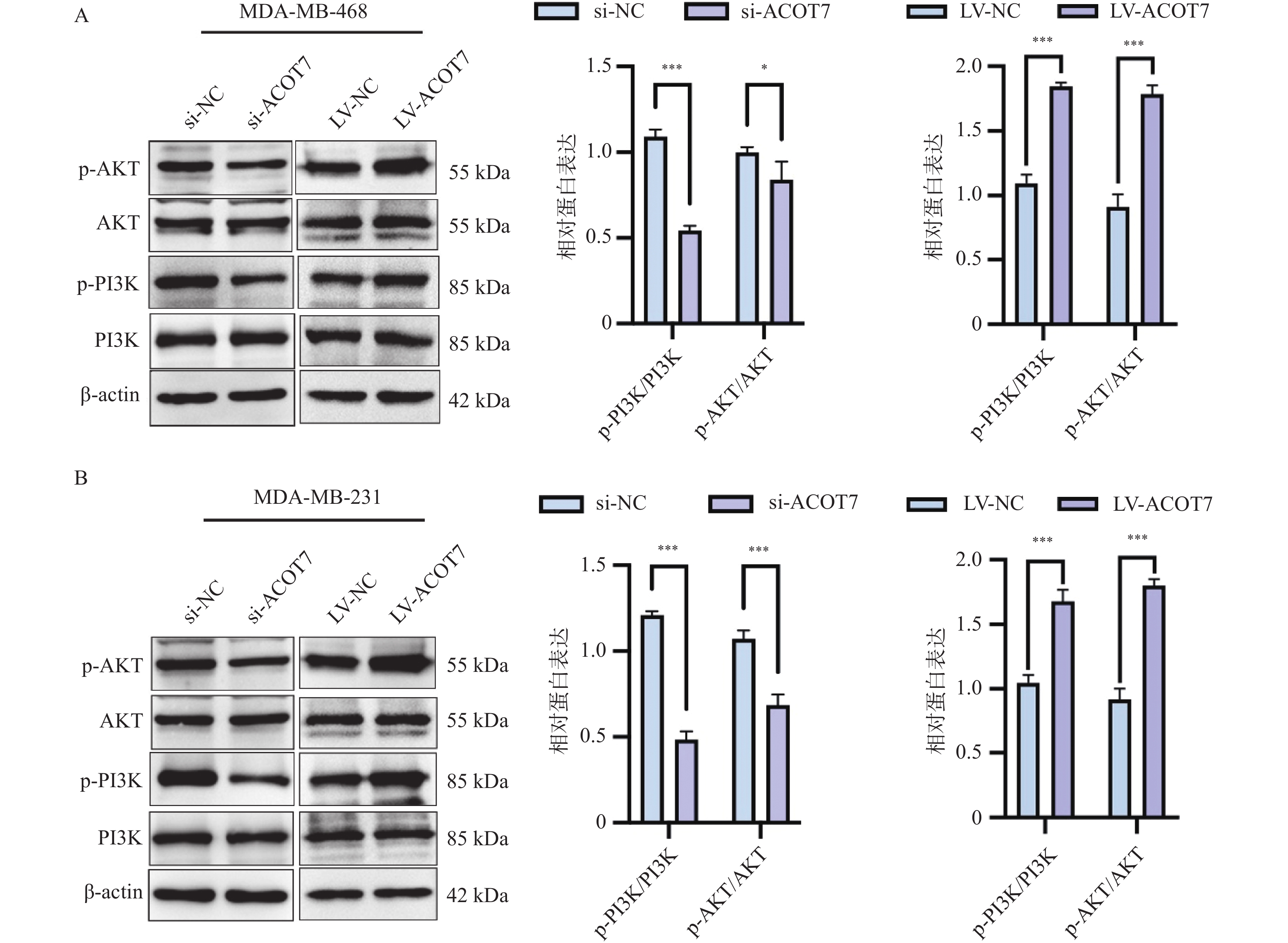
图 3 ACOT7对PI3K/AKT通路活性的影响($ \bar x \pm s $,n = 3)
A:各组MDA-MB-468细胞中p-PI3K和p-AKT的蛋白表达水平;B:各组MDA-MB-231细胞中p-PI3K和p-AKT的蛋白表达水平;*P < 0.05,***P < 0.001。
Figure 3. Effects of ACOT7 on PI3K/AKT pathway activity($ \bar x \pm s $,n = 3)
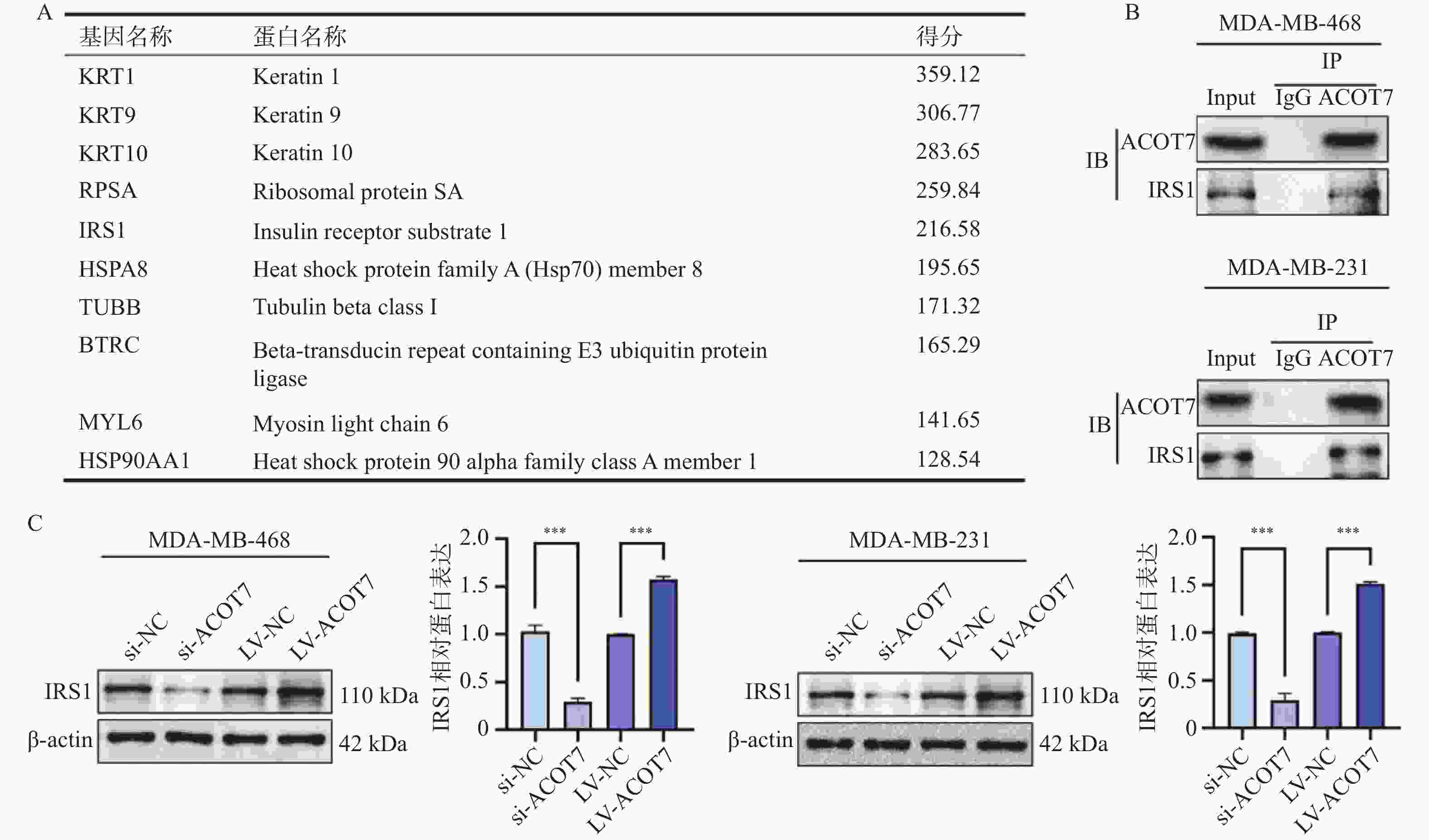
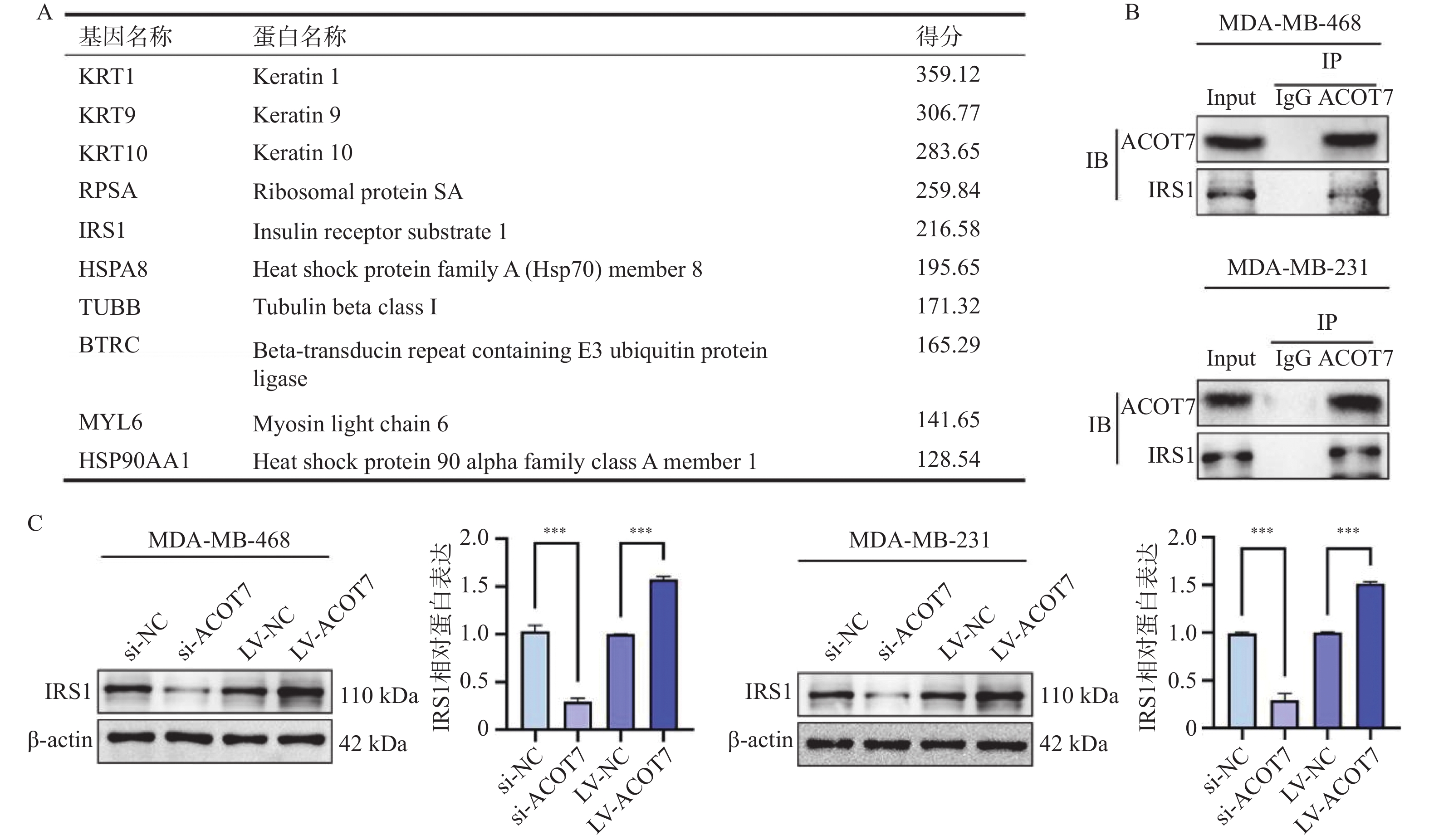
图 4 ACOT7与IRS1的相互作用及其对IRS1表达的调控($ \bar x \pm s $,n = 3)
A:IP-MS筛选MDA-MB-468细胞中与ACOT7相互作用的候选蛋白Top10列表;B:Co-IP实验验证MDA-MB-468和MDA-MB-231细胞中ACOT7与IRS1之间的相互作用;C:IRS1的蛋白表达水平;***P < 0.001。
Figure 4. Interaction of ACOT7 with IRS1 and its regulation of IRS1 expression($ \bar x \pm s $,n = 3)
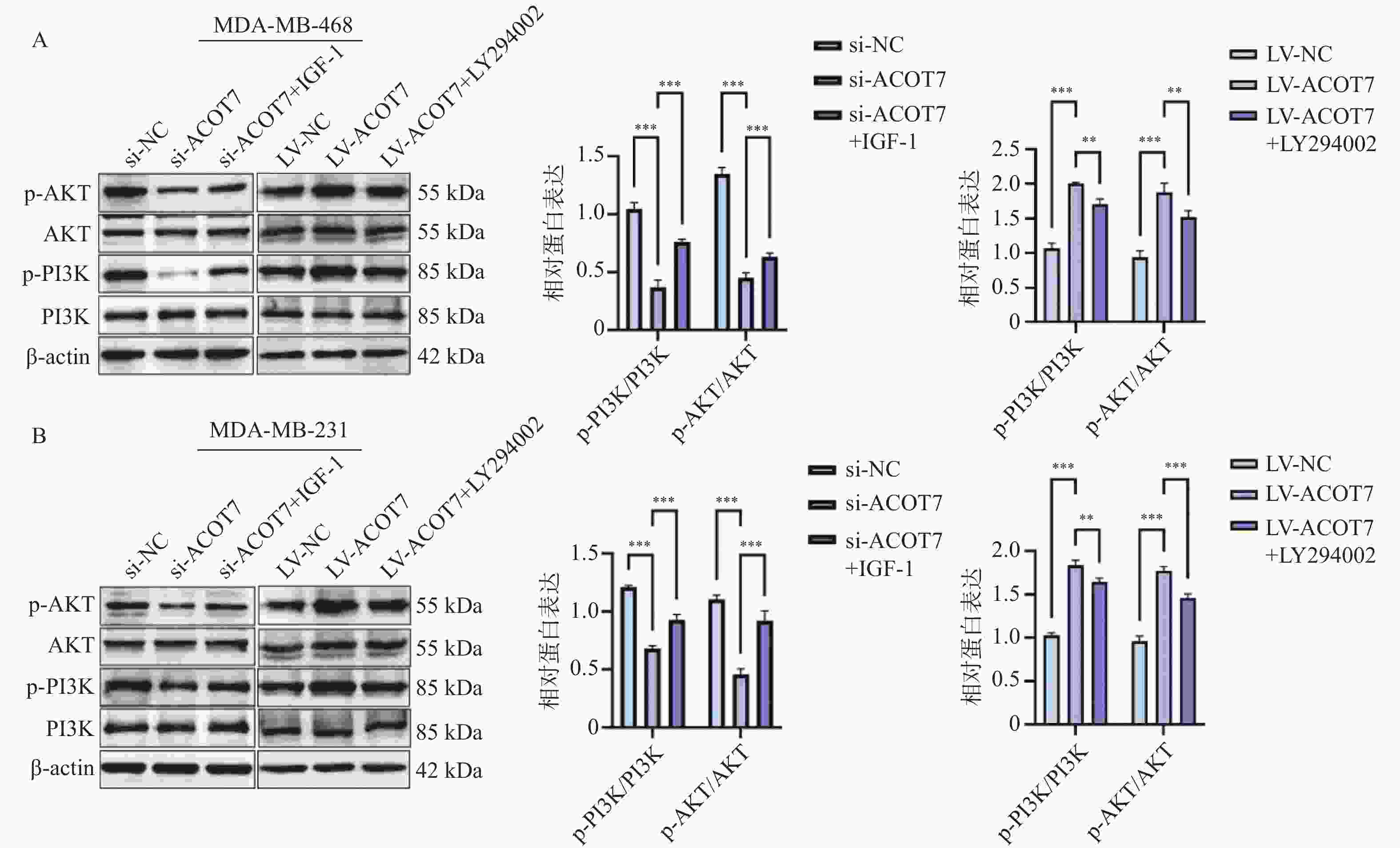
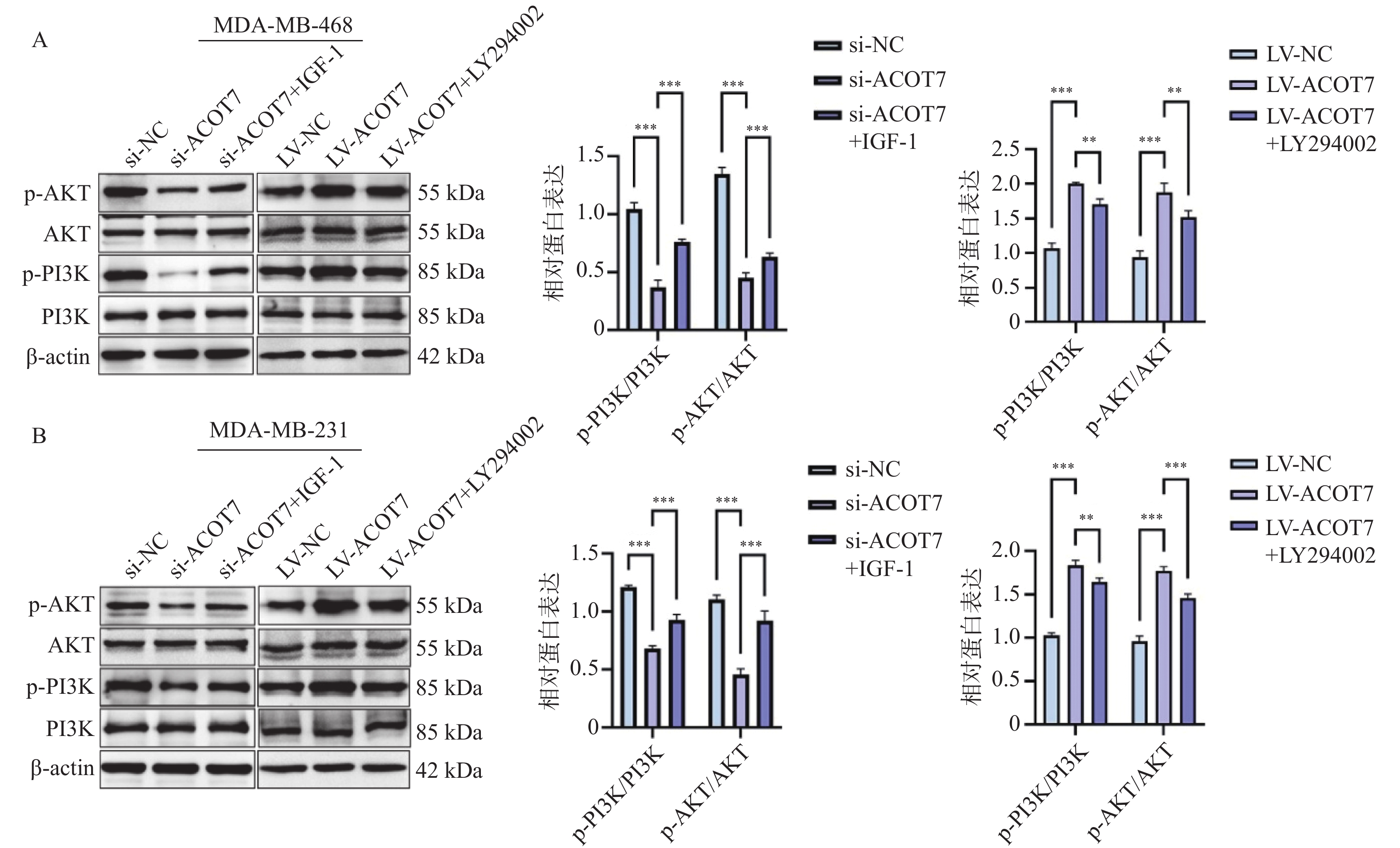
图 5 双向干预PI3K/AKT通路对ACOT7介导的通路蛋白表达的影响($ \bar x \pm s $,n = 3)
A:各组MDA-MB-468细胞中p-PI3K和p-AKT的蛋白表达水平;B:各组MDA-MB-231细胞中p-PI3K和p-AKT的蛋白表达水平;**P < 0.01,***P < 0.001。
Figure 5. Effects of bidirectional intervention of the PI3K/AKT pathway on ACOT7-mediated signaling protein expression ($ \bar x \pm s $,n = 3)
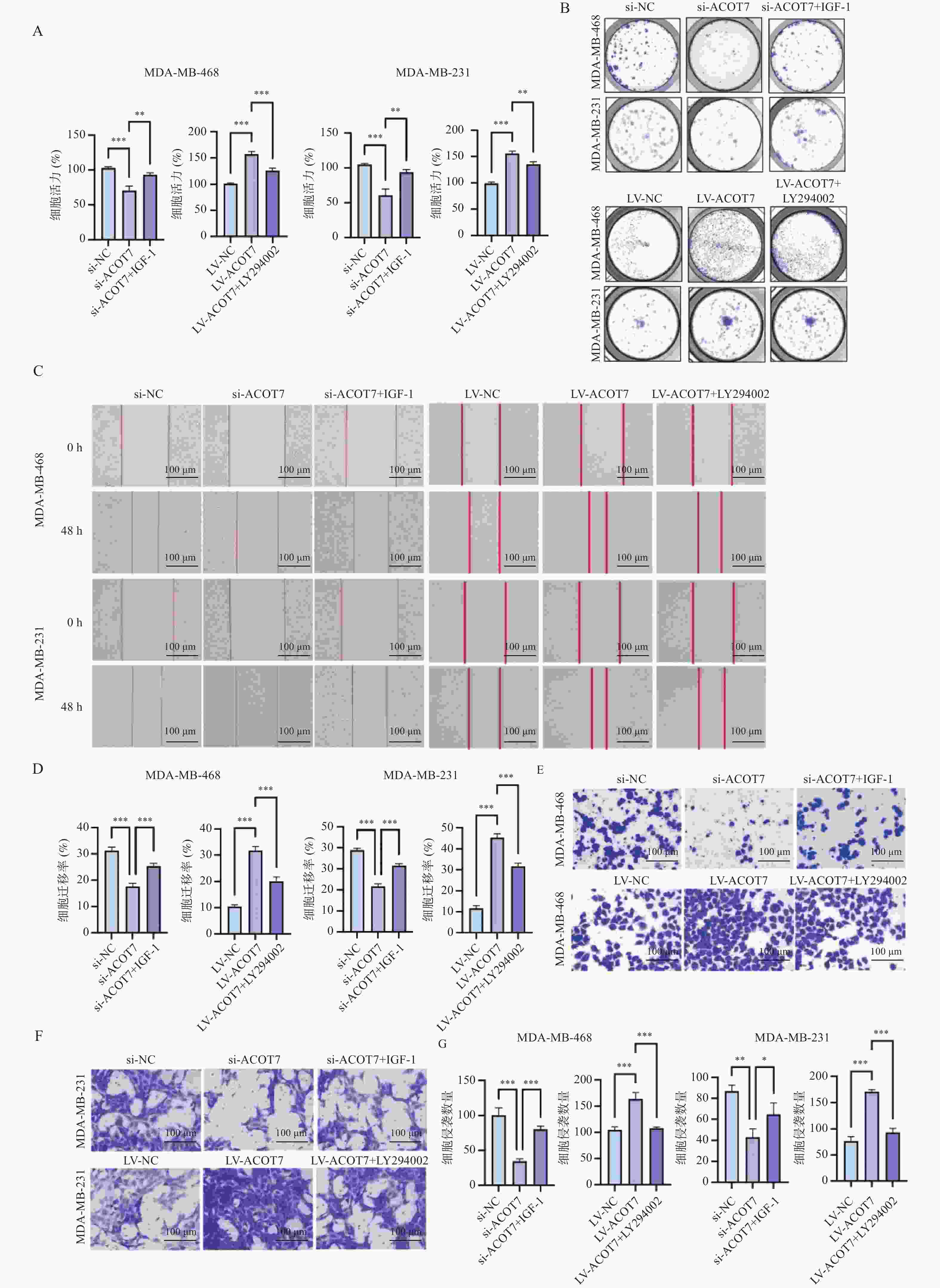
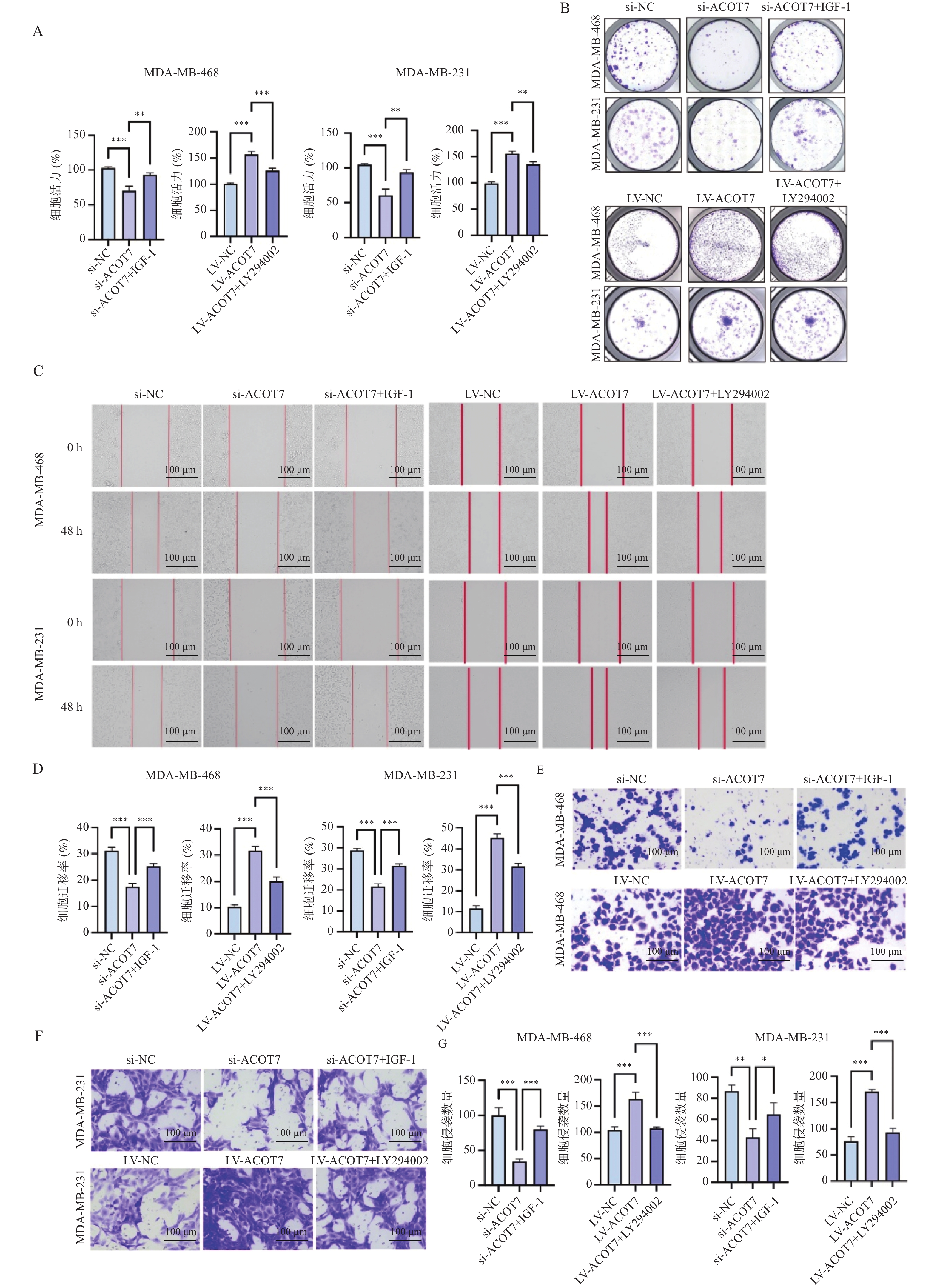
图 6 ACOT7通过调控PI3K/AKT通路影响TNBC细胞增殖、迁移和侵袭($ \bar x \pm s $,n = 3)
A:细胞活力;B:细胞增殖情况;C~D:细胞迁移率(100×);E~G:细胞侵袭数量(400×);*P < 0.05,***P < 0.01,***P < 0.001。
Figure 6. ACOT7 mediates the proliferation,migration and invasion of TNBC cells by regulating the PI3K/AKT signaling pathway ($ \bar x \pm s $,n = 3)
-
[1] Bardia A, Krop I E, Kogawa T, et al. Datopotamab deruxtecan in advanced or metastatic HR+/HER2–and triple-negative breast cancer: Results from the phase I TROPION-PanTumor01 study[J]. JCO, 2024, 42(19): 2281-2294. doi: 10.1200/JCO.23.01909 [2] Sung H, Ferlay J, Siegel R L, et al. Global cancer statistics 2020: GLOBOCAN estimates of incidence and mortality worldwide for 36 cancers in 185 countries[J]. CA Cancer J Clin, 2021, 71(3): 209-249. [3] Hu Y, Wang C, Liang H, et al. The treatment landscape of triple-negative breast cancer[J]. Med Oncol, 2024, 41(10): 236. doi: 10.1007/s12032-024-02456-9 [4] Liu Y, Zou Y, Ye Y, et al. Advances in the understanding of the pathogenesis of triple-negative breast cancer[J]. Cancer Med, 2024, 13(22): e70410. doi: 10.1002/cam4.70410 [5] Xie X, Chen C, Feng S, et al. Acyl-CoA thioesterase 7 is transcriptionally activated by Krüppel-like factor 13 and promotes the progression of hepatocellular carcinoma[J]. J Hepatocell Carcinoma, 2021, 8: 1623-1641. doi: 10.2147/JHC.S338353 [6] 郭黎, 周秀坚, 黎骋, 等. ACOT7与乳腺癌分子分型及临床病理特征的相关性分析[J]. 诊断病理学杂志, 2025, 32(9): 1090-1095. [7] Zeng Y, Zhang H, Zhu M, et al. β-hydroxyisovaleryl-shikonin exerts an antitumor effect on pancreatic cancer through the PI3K/AKT signaling pathway[J]. Front Oncol, 2022, 12: 904258. doi: 10.3389/fonc.2022.904258 [8] Fontana F, Giannitti G, Marchesi S, et al. The PI3K/Akt pathway and glucose metabolism: A dangerous liaison in cancer[J]. Int J Biol Sci, 2024, 20(8): 3113-3125. [9] Lee J. Current treatment landscape for early triple-negative breast cancer (TNBC)[J]. J Clin Med, 2023, 12(4): 1524. doi: 10.3390/jcm12041524 [10] Wein L, Loi S. Mechanisms of resistance of chemotherapy in early-stage triple negative breast cancer (TNBC)[J]. Breast, 2017, 34(Suppl 1): S27-S30. [11] Feng H, Liu X. Interaction between ACOT7 and LncRNA NMRAL2P via methylation regulates gastric cancer progression[J]. Yonsei Med J, 2020, 61(6): 471-481. doi: 10.3349/ymj.2020.61.6.471 [12] Zheng C, Zhang G, Xie K, et al. Pan-cancer analysis and experimental validation identify ACOT7 as a novel oncogene and potential therapeutic target in lung adenocarcinoma[J]. Cancers, 2022, 14(18): 4522. doi: 10.3390/cancers14184522 [13] Liu Y, Li J, Xu J, et al. M6A-driven NAT10 translation facilitates fatty acid metabolic rewiring to suppress ferroptosis and promote ovarian tumorigenesis through enhancing ACOT7 mRNA acetylation[J]. Oncogene, 2024, 43(48): 3498-3516. doi: 10.1038/s41388-024-03185-z [14] Wang T, Wang K, Zhu X, et al. ARNTL2 upregulation of ACOT7 promotes NSCLC cell proliferation through inhibition of apoptosis and ferroptosis[J]. BMC Mol Cell Biol, 2023, 24(1): 14. doi: 10.1186/s12860-022-00450-5 [15] 孙湘雨. ACOT7在乳腺癌组织中的表达及其通过PGC1α调控氧化磷酸化影响乳腺癌增殖转移的机制研究[D]. 沈阳: 中国医科大学, 2023. [16] Sun X, Zhang Q, Wang M, et al. Acyl-CoA thioesterase 7 is oncogenic in breast cancer by promoting oxidative phosphorylation via PGC1α[J]. Genes Dis, 2024, 11(5): 101149. doi: 10.1016/j.gendis.2023.101149 [17] Maharati A, Moghbeli M. PI3K/AKT signaling pathway as a critical regulator of epithelial-mesenchymal transition in colorectal tumor cells[J]. Cell Commun Signal, 2023, 21(1): 201. doi: 10.1186/s12964-023-01225-x [18] 刘贤永, 陈思, 卞银燕, 等. 中药通过PI3K/Akt信号通路干预胃癌前病变作用机制研究进展[J]. 新中医, 2025, 57(23): 174-181. doi: 10.13457/j.cnki.jncm.2025.23.031 [19] Wang J, Huang D, Nguyen T A T, et al. CD74-AKT axis is a potential therapeutic target in triple-negative breast cancer[J]. Biology, 2024, 13(7): 481. doi: 10.3390/biology13070481 [20] Li X, Zhang Y, Gong J, et al. Development of a breast cancer invasion score to predict tumor aggressiveness and prognosis via PI3K/AKT/mTOR pathway analysis[J]. Cell Death Discov, 2025, 11(1): 157. doi: 10.1038/s41420-025-02422-y [21] Entezari M, Soltani B M, Sadeghizadeh M. MicroRNA-203a inhibits breast cancer progression through the PI3K/Akt and Wnt pathways[J]. Sci Rep, 2024, 14: 4715. doi: 10.1038/s41598-024-52940-5 [22] Shahi Thakuri P, Gupta M, Singh S, et al. Phytochemicals inhibit migration of triple negative breast cancer cells by targeting kinase signaling[J]. BMC Cancer, 2020, 20(1): 4. doi: 10.1186/s12885-019-6479-2 [23] Xing T, Bai Y, Wu W, et al. Sinapine modulates glycogen and lipid synthesis via IRS1-PI3K-AKT-GSK3β-GS pathway in insulin-resistant models[J]. Food Sci Nutr, 2026, 14(1): e71304. doi: 10.1002/fsn3.71304 -

 下载:
下载:
 点击查看大图
计量
- 文章访问数: 4
- HTML全文浏览量: 2
- PDF下载量: 0
- 被引次数: 0
