




Dexmedetomidine Ameliorates Pain-depression Comorbidity and Downregulates TAZ Expression in Spinal Microglia in Rats
-
摘要:
目的 观察右美托咪定(dexmedetomidine,DEX)对神经病理性疼痛(neuropathic pain,NP)及其共病抑郁是否有改善作用,同时检测DEX治疗后脊髓背角小胶质细胞活化及TAZ表达的变化是否与行为改善同步。 方法 采用坐骨神经慢性压迫损伤(chronic constriction injury,CCI)建立大鼠NP-抑郁共病模型,分为假手术组(Sham组,n = 9)、模型组(CCI组,n = 27)和造模后右美托咪定治疗组(CCI+DEX组,n = 27)。CCI+DEX组术后每天肌肉注射DEX(80 μg/kg),直到第13天。在术前及术后第3、7、14天测机械缩足阈值(mechanical withdrawal threshold,MWT)和热缩足潜伏期(thermal withdrawal latency,TWL)评估疼痛;术后第7、14 天用强迫游泳(forced swim test,FST)、旷场(open field test,OFT)和糖水偏好(sucrose preference test,SPT)实验评估抑郁样行为。用免疫荧光和蛋白免疫印迹检测脊髓背角Iba1(小胶质细胞标志物)及免疫荧光检测TAZ的表达。 结果 与Sham组比较,CCI大鼠术后MWT [Sham 3 d(13.89±2.2)g;Sham 7 d(14.44±1.67)g;Sham 14 d(12.56±2.96)g;CCI 3 d(7.83±0.98)g;CCI 7 d(5.11±1.05)g;CCI 14 d(2.20±1.39)g]降低(P < 0.0001 )、TWL [Sham 3 d(12.07±1.11)s;Sham 7 d(12.45±0.75)s;Sham 14 d(12.69±0.82)s;CCI 3 d(8.77±0.65)s;CCI 7 d(7.72±1.47)s;CCI 14 d(7.67±0.78)s]缩短(P <0.0001 ),糖水偏好[Sham 14 d(0.77±0.05);CCI 14 d (0.58±0.13)]下降(P <0.0001 ),FST不动时间[Sham 14 d(34±5.50)s;CCI 14 d(60.33±9.21)s]延长(P < 0.001),OFT中央区进入次数[Sham 14 d (7.44±1.51);CCI 14 d(3.78±1.39)] 减少(P <0.0001 ),说明模型成功。与CCI组比较,DEX治疗组的MWT [CCI 3 d(7.83±0.98)g;CCI 7 d(5.11±1.05)g;CCI 14 d(2.20±1.39)g;CCI+DEX 3 d(12.79±1.42)g;CCI+DEX 7 d(8.44±1.67)g;CCI+DEX 14 d(8.22±2.33)g]和TWL [CCI 3 d(8.77±0.65)s;CCI 7 d(7.72±1.47)s;CCI 14 d(7.67±0.78)s;CCI+DEX 3 d(9.96±1.54)s;CCI+DEX 7 d(10.08±0.92)s;CCI+DEX 14 d(10.51±1.11)s]均升高(P < 0.001),糖水偏好[CCI 14 d(0.58±0.13);CCI+DEX 14 d(0.71±0.08)]升高(P < 0.05),不动时间[CCI 14 d(60.33±9.21)s;CCI+DEX 14 d(47.89±5.53)s]缩短(P < 0.05),中央区进入次数[CCI 14 d(3.78±1.39);CCI+DEX 14 d(6.22±1.39)]增加(P < 0.01)。免疫荧光结果显示,CCI组脊髓背角Iba1 [Sham (1±0.34);CCI 14 d(3.01±0.46)]和TAZ[Sham (1.0±0.20);CCI 3 d (4.96±2.82)]表达明显升高(P < 0.001或P <0.0001 ),其中TAZ在术后第3天达到峰值,Iba1则持续升高到第14天;DEX治疗后Iba1 [CCI 14 d(3.01±0.46);CCI+DEX 14 d(1.41±0.59)](P < 0.01)和TAZ [CCI 3 d(4.96±2.82);CCI+DEX 3 d(2.09±0.45)](P < 0.001)两者表达均显著下降。结论 DEX能改善CCI大鼠的疼痛和抑郁样行为,同时伴随脊髓背角小胶质细胞活化受抑和TAZ表达下调。TAZ的早期升高可能参与了小胶质细胞驱动的神经炎症过程,DEX的作用可能与调控TAZ有关。 -
关键词:
- 神经病理性疼痛 /
- 抑郁 /
- 右美托咪定 /
- 脊髓背角 /
- 转录共激活因子TAZ /
- 坐骨神经慢性压迫损伤
Abstract:Objective To investigate whether dexmedetomidine (DEX) improves neuropathic pain (NP) and comorbid depression, and whether changes in spinal dorsal horn microglial activation and TAZ expression after DEX treatment occur in parallel with behavioral improvement. Methods A rat model of NP–depression comorbidity was established using chronic constriction injury (CCI) of the sciatic nerve. Rats were divided into a sham-operated group (Sham , n = 9), a model group (CCI, n = 27), and a post-modeling DEX treatment group (CCI+DEX, n = 27). The CCI+DEX group received daily intramuscular DEX (80 μg/kg) from surgery to day 13. Mechanical withdrawal threshold (MWT) and thermal withdrawal latency (TWL) were measured before surgery and on postoperative days 3, 7, and 14 to assess pain. Forced swim test (FST), open field test (OFT), and sucrose preference test (SPT) were performed on postoperative days 7 and 14 to assess depression-like behavior. Immunofluorescence and Western blotting were used to assess Iba1 (a microglial marker) in the spinal dorsal horn, and immunofluorescence was used to assess TAZ expression. Results Compared with the Sham group, CCI rats showed reduced postoperative MWT[Sham day 3 (13.89±2.2) g; Sham day 7 (14.44±1.67) g; Sham day 14 (12.56±2.96) g; CCI day 3 (7.83±0.98) g; CCI day 7 (5.11±1.05) g; CCI day 14 (2.20±1.39) g] (P < 0.0001 ), shortened TWL [Sham day 3 (12.07±1.11) s; Sham day 7 (12.45±0.75) s; Sham day 14 (12.69±0.82) s; CCI day 3 (8.77±0.65) s; CCI day 7 (7.72±1.47) s; CCI day 14 (7.67±0.78) s] (P <0.0001 ), decreased sucrose preference [Sham day 14 (0.77±0.05); CCI day 14 (0.58±0.13)] (P <0.0001 ), prolonged immobility time in the FST [Sham day 14 (34±5.50) s; CCI day 14 (60.33±9.21) s] (P < 0.001), and fewer entries into the center zone in the OFT [Sham day 14 (7.44±1.51); CCI day 14 (3.78±1.39)] (P <0.0001 ), indicating successful model establishment. Compared with the CCI group, the DEX-treated group showed increased MWT [CCI day 3 (7.83±0.98) g; CCI day 7 (5.11±1.05) g; CCI day 14 (2.20±1.39) g; CCI+DEX day 3 (12.79±1.42) g; CCI+DEX day 7 (8.44±1.67) g; CCI+DEX day 14 (8.22±2.33) g] and TWL [CCI day 3 (8.77±0.65) s; CCI day 7 (7.72±1.47) s; CCI day 14 (7.67±0.78) s; CCI+DEX day 3 (9.96±1.54) s; CCI+DEX day 7 (10.08±0.92) s; CCI+DEX day 14 (10.51±1.11) s] (both P < 0.001), increased sucrose preference [CCI day 14 (0.58±0.13); CCI+DEX day 14 (0.71±0.08)] (P < 0.05), reduced immobility time [CCI day 14 (60.33±9.21) s; CCI+DEX day 14 (47.89±5.53) s] (P < 0.05), and more entries into the center zone [CCI day 14 (3.78±1.39); CCI+DEX day 14 (6.22±1.39)] (P < 0.01). Immunofluorescence showed that expression of Iba1 [Sham (1±0.34); CCI day 14 (3.01±0.46)] and TAZ [Sham (1.0±0.20); CCI day 3 (4.96±2.82)] in the spinal dorsal horn was significantly increased in the CCI group (P < 0.001 or P <0.0001 ). TAZ expression peaked on postoperative day 3, whereas Iba1 expression continued to increase through day 14. After DEX treatment, expression of both Iba1 [CCI day 14 (3.01±0.46); CCI+DEX day 14 (1.41±0.59)] (P < 0.01) and TAZ [CCI day 3 (4.96±2.82); CCI+DEX day 3 (2.09±0.45)] (P < 0.001) was significantly reduced.Conclusion Dexmedetomidine improves pain and depressive-like behavior in CCI rats, accompanied by inhibition of microglial activation and downregulation of TAZ expression in the spinal dorsal horn. The early increase of TAZ may participate in microglia-driven neuroinflammatory process, and the effects of DEX may be related to regulation of TAZ. -
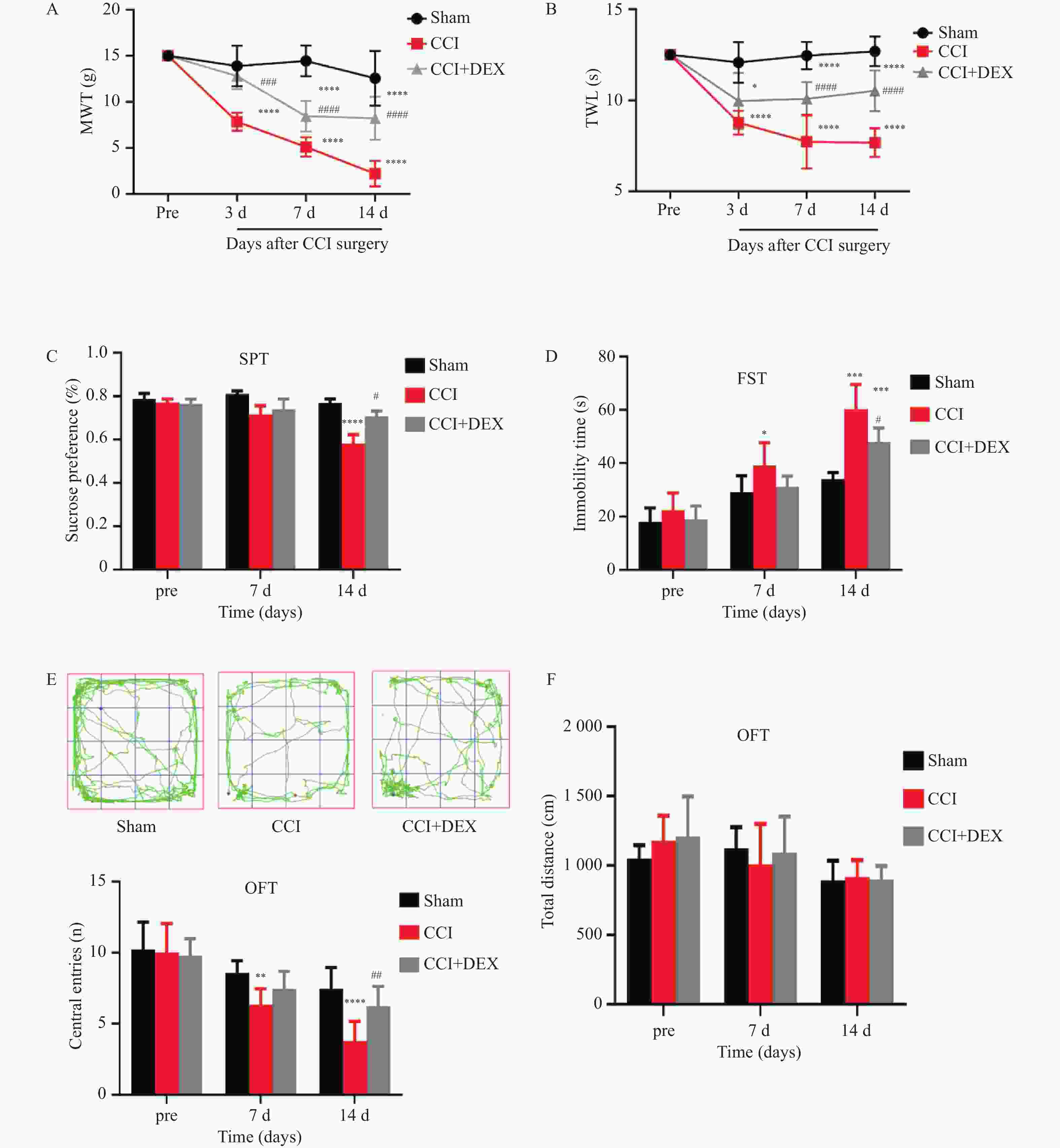
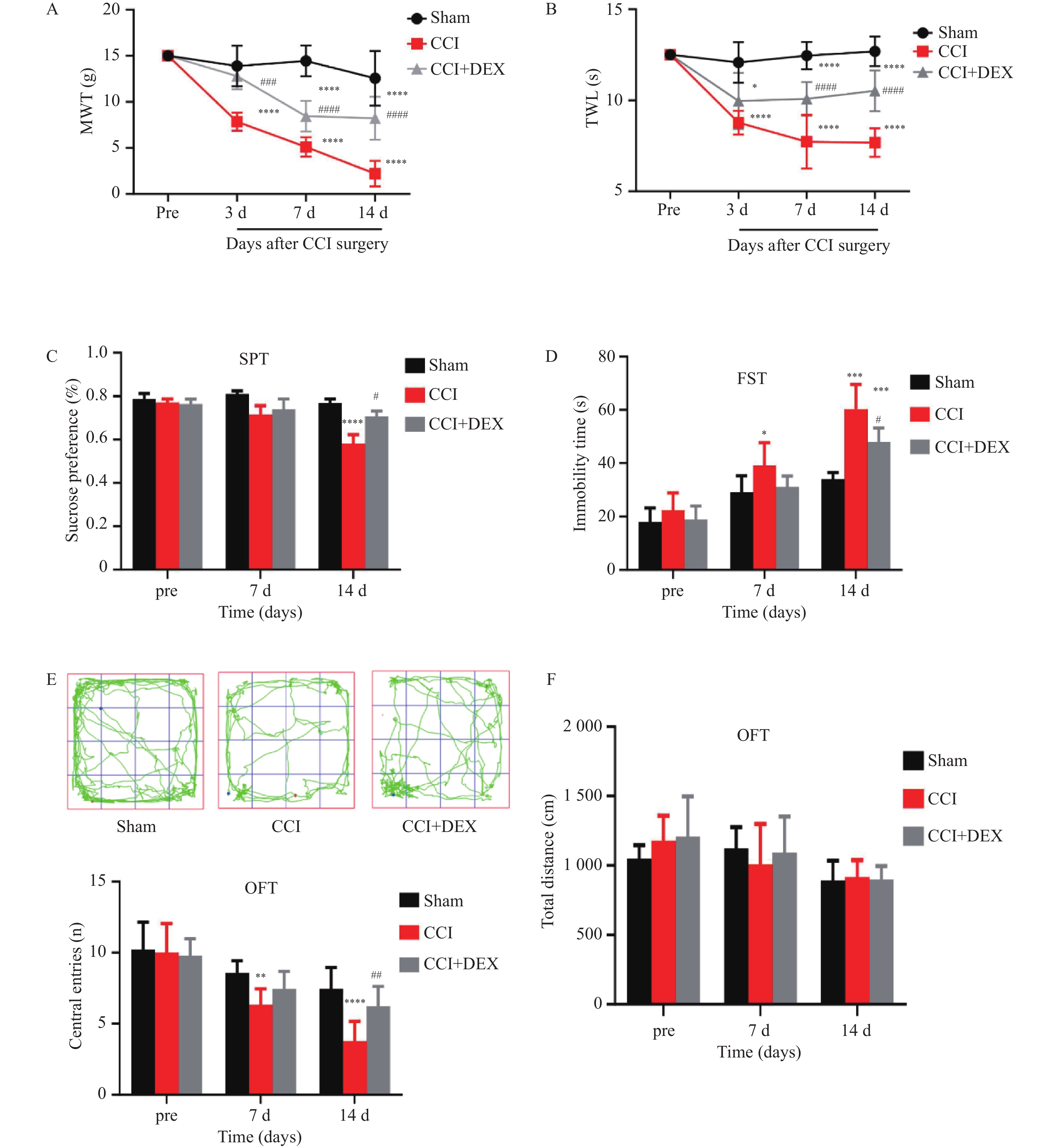
图 2 大鼠CCI术后行为学变化(n = 9,$ \bar x \pm s $)
A:机械缩足阈值;B:热缩足潜伏期;C:蔗糖偏好实验,显示各组大鼠蔗糖偏好率的变化;D: 强迫游泳实验,显示各组大鼠不动时间的变化;E:旷场实验,显示各组大鼠在中央区停留次数的变化,旷场实验中代表性的大鼠运动轨迹热图;F:旷场实验,显示各组大鼠在旷场实验中总运动距离变化。横坐标为CCI术后不同时间点(术前Pre,术后3、7、14 d),数据以均值±标准差表示。统计学分析采用重复测量方差分析及适当的事后检验。与Sham组比较,*P < 0.05;**P < 0.01;***P < 0.001;****P < 0.0001;与CCI组相比,#P < 0.05; ##P < 0.01;###P < 0.001; ####P < 0.0001。
Figure 2. Behavioral changes in rats after CCI surgery (n = 9,$ \bar x \pm s $)
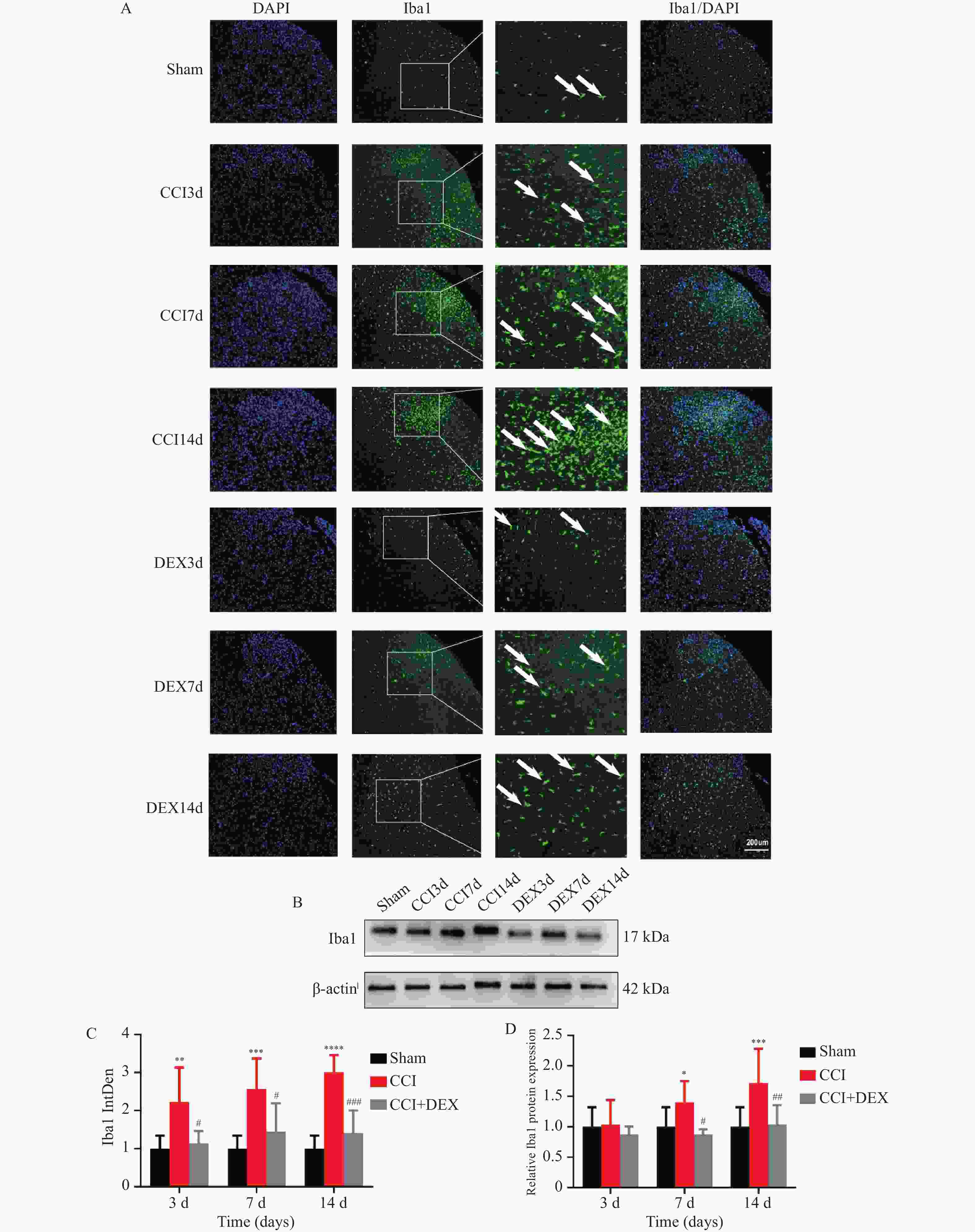
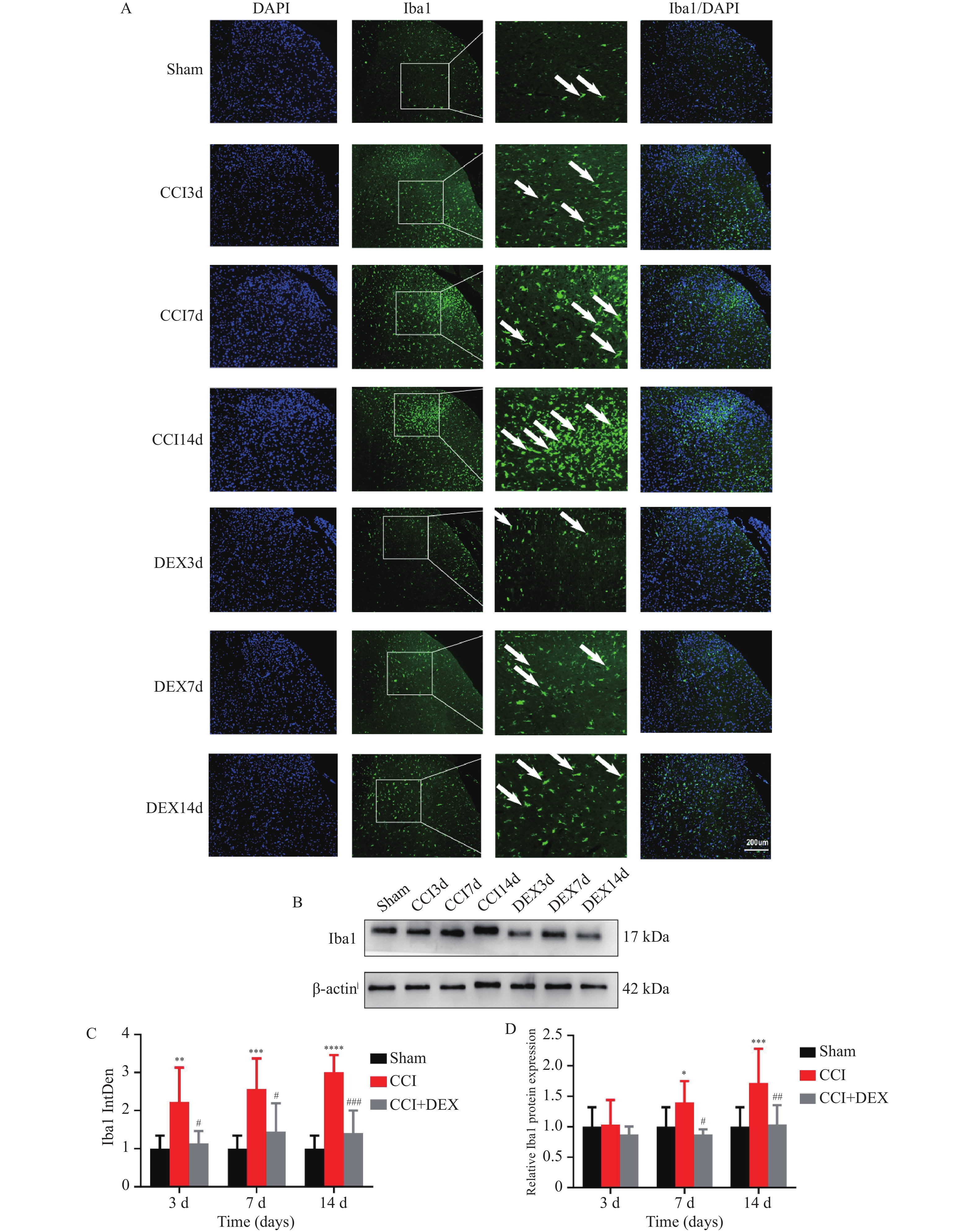
图 3 DEX治疗大鼠CCI术后3、7、14 d小胶质细胞标志物离子钙接头蛋白分子1(Iba1)的表达与形态的变化($ \bar x \pm s $)
A:免疫荧光显示不同处理组大鼠脊髓背角区域的染色结果(×100;scale bar=200 μm,n = 4);B:Western blot显示不同时间点的Iba1蛋白表达变化(n = 5);C:Iba1免疫荧光强度定量分析柱状图;D:Iba1的蛋白定量分析柱状图。横坐标为CCI术后不同时间点(术前Pre,术后3、7、14 d);统计学分析采用重复测量方差分析及适当的事后检验;与Sham组相比,*P < 0.05;**P < 0.01;***P < 0.001;****P < 0.0001;与CCI组相比,#P < 0.05; ##P < 0.01;###P < 0.001; ####P < 0.0001。
Figure 3. Expression and morphological changes of the microglial marker Iba1 in CCI rats treated with DEX at 3,7,and 14 days after surgery ($ \bar x \pm s $)
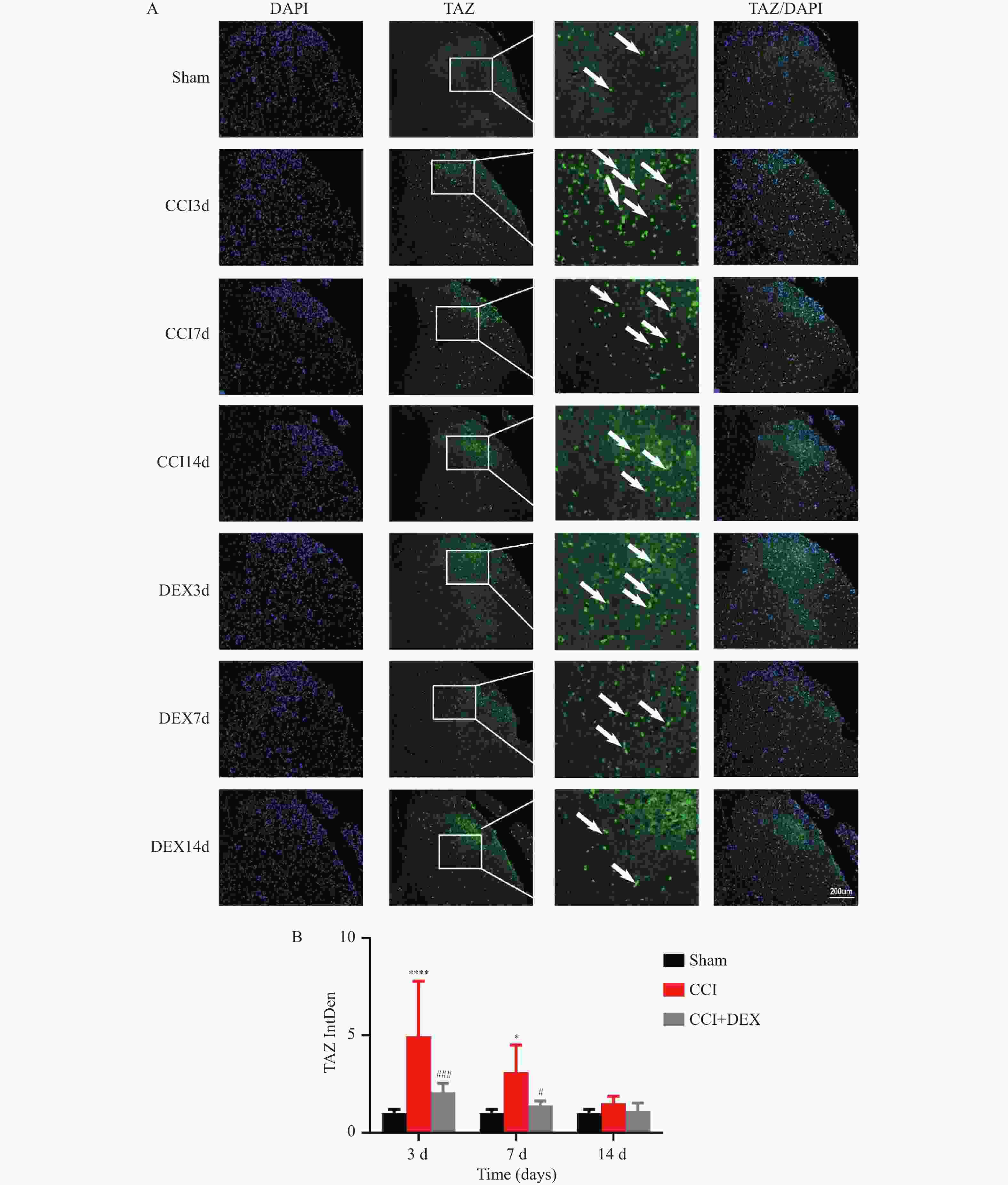
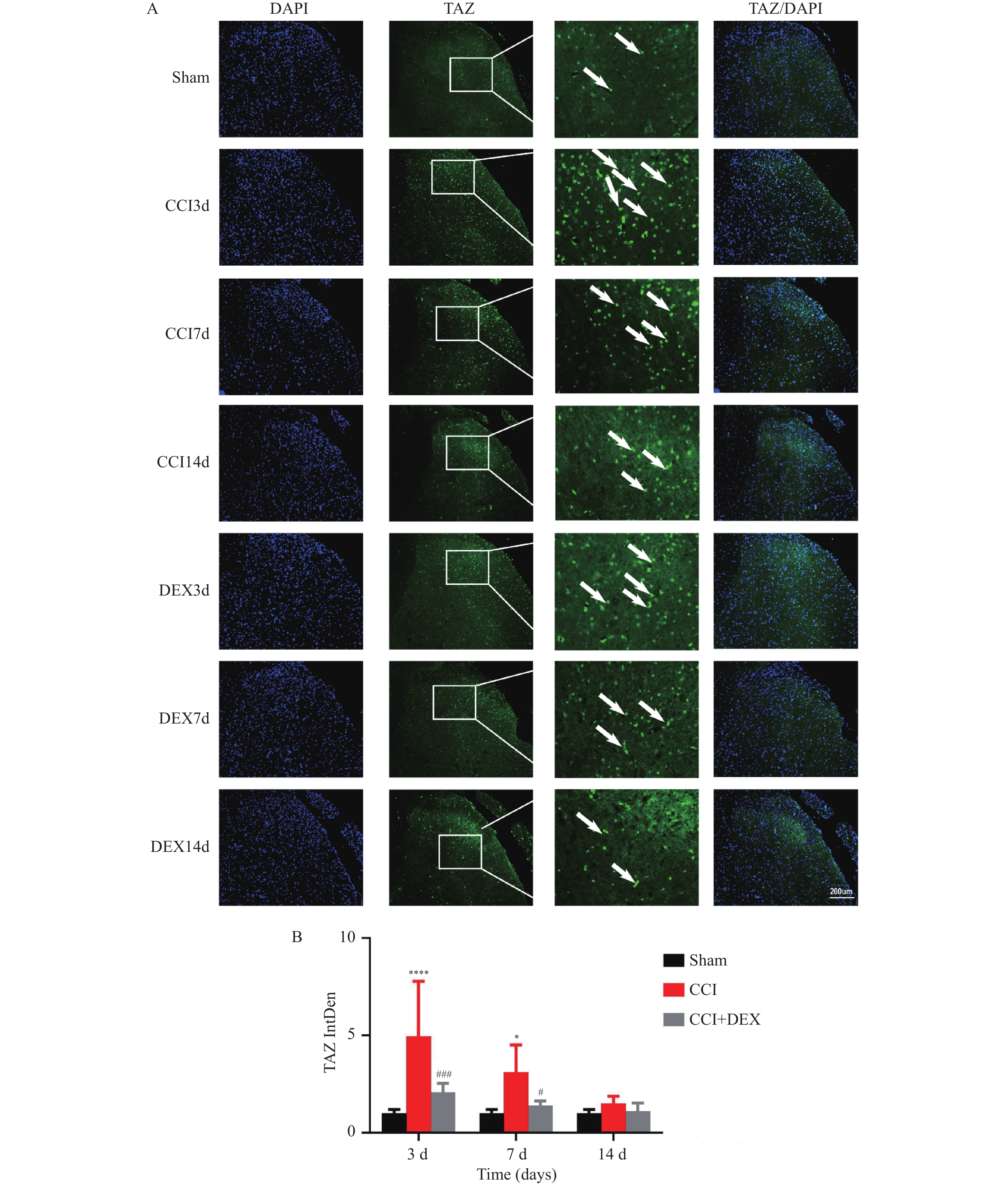
图 4 DEX治疗大鼠CCI术后3、7、14 d TAZ的表达情况($ \bar x \pm s $)
A:免疫荧光显示不同处理组大鼠脊髓背角区域的染色结果(×100;scale bar=200 μm,n = 4);B: TAZ免疫荧光强度定量分析柱状图;统计学分析采用重复测量方差分析及适当的事后检验;与Sham组相比,*P < 0.05;****P < 0.0001;与CCI组相比,#P < 0.05;###P < 0.001。
Figure 4. Expression of TAZ in CCI rats treated with DEX at 3,7,and 14 days after surgery ($ \bar x \pm s $)
-
[1] D’Egidio F, Lombardozzi G, Kacem Ben Haj M’Barek H E, et al. The influence of dietary supplementations on neuropathic pain[J]. Life, 2022, 12(8): 1125. doi: 10.3390/life12081125 [2] Attal N, Lanteri-Minet M, Laurent B, et al. The specific disease burden of neuropathic pain: Results of a French nationwide survey[J]. PAIN, 2011, 152(12): 2836-2843. doi: 10.1016/j.pain.2011.09.014 [3] Adamo D, Calabria E, Coppola N, et al. Vortioxetine as a new frontier in the treatment of chronic neuropathic pain: A review and update[J]. Ther Adv Psychopharmacol, 2021, 11: 20451253211034320. [4] Lau D, Harte S E, Morrow T J, et al. Herpes simplex virus vector-mediated expression of interleukin-10 reduces below-level central neuropathic pain after spinal cord injury[J]. Neurorehabil Neural Repair, 2012, 26(7): 889-897. doi: 10.1177/1545968312445637 [5] Zhu H, Guan A, Liu J, et al. Noteworthy perspectives on microglia in neuropsychiatric disorders[J]. J Neuroinflammation, 2023, 20(1): 223. doi: 10.1186/s12974-023-02901-y [6] Karavis M Y, Siafaka I, Vadalouca A, et al. Role of microglia in neuropathic pain[J]. Cureus, 2023, 15(8): e43555. doi: 10.7759/cureus.43555 [7] Li N, Lim G, Chen L, et al. Spinal expression of Hippo signaling components YAP and TAZ following peripheral nerve injury in rats[J]. Brain Res, 2013, 1535: 137-147. doi: 10.1016/j.brainres.2013.08.049 [8] Antila H, Jalonen S C, Persson N D Å, et al. Peripheral alpha-2 antagonist vatinoxan improves dexmedetomidine-induced perivascular cerebrospinal fluid flow without affecting electroencephalogram activity in female rats[J]. Neuropharmacology, 2026, 287: 110828. doi: 10.1016/j.neuropharm.2026.110828 [9] Chen J, Li H, Lim G, et al. Different effects of dexmedetomidine and midazolam on the expression of NR2B and GABAA-α1 following peripheral nerve injury in rats[J]. IUBMB Life, 2018, 70(2): 143-152. doi: 10.1002/iub.1713 [10] Fiore N T, Yin Z, Guneykaya D, et al. Sex-specific transcriptome of spinal microglia in neuropathic pain due to peripheral nerve injury[J]. Glia, 2022, 70(4): 675-696. doi: 10.1002/glia.24133 [11] Li P, Yu C, Zeng F S, et al. Licochalcone A attenuates chronic neuropathic pain in rats by inhibiting microglia activation and inflammation[J]. Neurochem Res, 2021, 46(5): 1112-1118. doi: 10.1007/s11064-021-03244-x [12] Miao B, Yin Y, Mao G, et al. The implication of transient receptor potential canonical 6 in BDNF-induced mechanical allodynia in rat model of diabetic neuropathic pain[J]. Life Sci, 2021, 273: 119308. doi: 10.1016/j.lfs.2021.119308 [13] Li P, Wang Y X, Yang G, et al. Sanguinarine attenuates neuropathic pain in a rat model of chronic constriction injury[J]. BioMed Res Int, 2021, 2021(1): 3689829. doi: 10.1155/2021/3689829 [14] Rosas-Sánchez G U, Germán-Ponciano L J, Rodríguez-Landa J F, et al. The combination of Lactobacillus reuteri RC-14(®) and Lactobacillus rhamnosus GR-1(®) induces anxiolytic-like and antidepressant-like effects via estrogenic receptors in ovariectomized rats[J]. Nutrients, 2026, 18(5): 713. doi: 10.3390/nu18050713 [15] Rafeeq M, Afzal M, Habib A H, et al. Aloe Polysaccharides against 3-Nitropropionic acid-induced Huntington’s disease-like symptoms: Role of BDNF/NF-κB/Nrf2 signaling pathways[J]. Curr Neuropharmacol, 2026. [16] Sarkisova K Y, Kudrin V S. The WAG/rij rat model of depression comorbid with absence epilepsy: Sex differences and neurochemical mechanisms[J]. Int J Mol Sci, 2026, 27(5): 2154. doi: 10.3390/ijms27052154 [17] Zhao Y, He J, Yu N, et al. Mechanisms of dexmedetomidine in neuropathic pain[J]. Front Neurosci, 2020, 14: 330. doi: 10.3389/fnins.2020.00330 [18] Hao J W, Qiao W L, Li Q, et al. Suppression of P2X3 receptor-mediated currents by the activation of α(2A)-adrenergic receptors in rat dorsal root ganglion neurons[J]. CNS Neurosci Ther, 2022, 28(2): 289-297. doi: 10.1111/cns.13774 [19] Savitz J, Harrison N A. Interoception and inflammation in psychiatric disorders[J]. Biol Psychiatry Cogn Neurosci Neuroimaging, 2018, 3(6): 514-524. [20] Navratilova E, Porreca F. Reward and motivation in pain and pain relief[J]. Nat Neurosci, 2014, 17(10): 1304-1312. doi: 10.1038/nn.3811 [21] Inoue K, Tsuda M. Microglia in neuropathic pain: Cellular and molecular mechanisms and therapeutic potential[J]. Nat Rev Neurosci, 2018, 19(3): 138-152. doi: 10.1038/nrn.2018.2 [22] Gao Y, Ottaway N, Schriever S C, et al. Hormones and diet, but not body weight, control hypothalamic microglial activity[J]. Glia, 2014, 62(1): 17-25. doi: 10.1002/glia.22580 [23] Lier J, Streit W J, Bechmann I. Beyond activation: Characterizing microglial functional phenotypes[J]. Cells, 2021, 10(9): 2236. doi: 10.3390/cells10092236 [24] Echeverry S, Shi X Q, Zhang J. Characterization of cell proliferation in rat spinal cord following peripheral nerve injury and the relationship with neuropathic pain[J]. Pain, 2008, 135(1-2): 37-47. doi: 10.1016/j.pain.2007.05.002 [25] Pocock J M, Kettenmann H. Neurotransmitter receptors on microglia[J]. Trends Neurosci, 2007, 30(10): 527-535. doi: 10.1016/j.tins.2007.07.007 [26] Piccolo S, Panciera T, Contessotto P, et al. YAP/TAZ as master regulators in cancer: Modulation, function and therapeutic approaches[J]. Nat Cancer, 2023, 4(1): 9-26. doi: 10.1038/s43018-022-00473-z [27] Wei Y, Hui V L Z, Chen Y, et al. YAP/TAZ: Molecular pathway and disease therapy[J]. MedComm, 2023, 4(4): e340. doi: 10.1002/mco2.340 [28] Xu N, Wu M Z, Deng X T, et al. Inhibition of YAP/TAZ activity in spinal cord suppresses neuropathic pain[J]. J Neurosci, 2016, 36(39): 10128-10140. doi: 10.1523/JNEUROSCI.0800-16.2016 [29] Brooke A K, Murrow D P, Caldwell K C N, et al. α2-Adrenergic modulation of neuroimmune interactions differs between the spleen and mesenteric lymph nodes[J]. J Immunol, 2026, 215(2): vkaf306. doi: 10.1093/jimmun/vkaf306 [30] Guo H, Zhang W, Wang Z, et al. Dexmedetomidine post-conditioning protects blood-brain barrier integrity by modulating microglia/macrophage polarization via inhibiting NF-κB signaling pathway in intracerebral hemorrhage[J]. Front Mol Neurosci, 2022, 15: 977941. doi: 10.3389/fnmol.2022.977941 [31] Ma M, Zhang Y, Tao K, et al. Neurochemical crossroads: Exploring the neurotransmitter network in chronic pain and depression comorbidity[J]. Front Mol Neurosci, 2025, 18: 1675814. doi: 10.3389/fnmol.2025.1675814 [32] Li G, Zhou J, Wei J, et al. Dexmedetomidine ameliorated cognitive dysfunction induced by intestinal ischemia reperfusion in mice with possible relation to the anti-inflammatory effect through the locus coeruleus norepinephrine system[J]. Neurochem Res, 2022, 47(11): 3440-3453. doi: 10.1007/s11064-022-03706-w [33] Llorca-Torralba M, Camarena-Delgado C, Suárez-Pereira I, et al. Pain and depression comorbidity causes asymmetric plasticity in the locus coeruleus neurons[J]. Brain, 2022, 145(1): 154-167. doi: 10.1093/brain/awab239 [34] Gao Y, Zhang X, Liu X J, et al. The locus coeruleus-periaqueductal gray GABAergic projection regulates comorbid pain and depression[J]. Adv Sci, 2025, 12(26): 2503739. doi: 10.1002/advs.202503739 [35] You H J, Lei J, Xiao Y, et al. Pre-emptive analgesia and its supraspinal mechanisms: Enhanced descending inhibition and decreased descending facilitation by dexmedetomidine[J]. J Physiol, 2016, 594(7): 1875-1890. doi: 10.1113/JP271991 -

 下载:
下载:
 点击查看大图
计量
- 文章访问数: 100
- HTML全文浏览量: 45
- PDF下载量: 1
- 被引次数: 0
